
Toyota Landcruiser Kakadu for sale in Nairobi Kenya
These are the available Toyota Landcruiser Kakadu vehicles for sale in Nairobi Kenya. They include locally used cars and fresh imports. We can also import one for you with your preferred specifications.
What would you like to do?
Toyota Landcruiser Kakadu in stock now
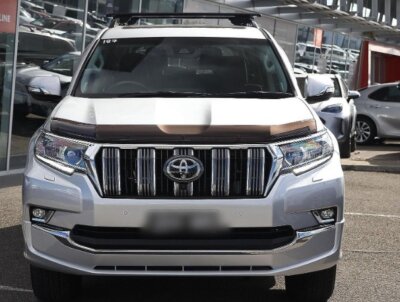
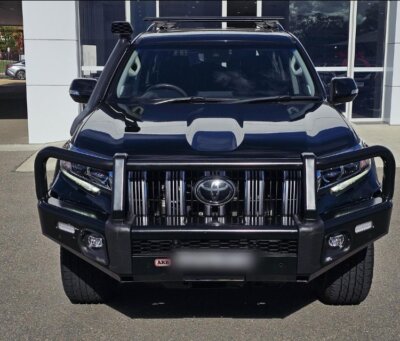
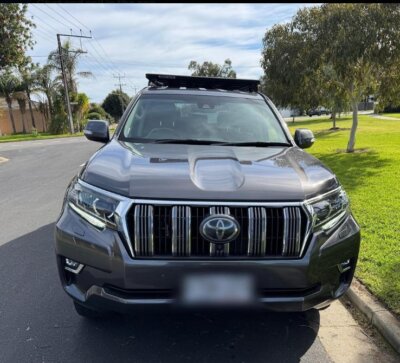
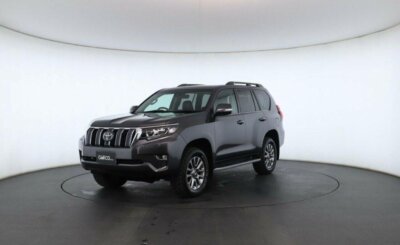
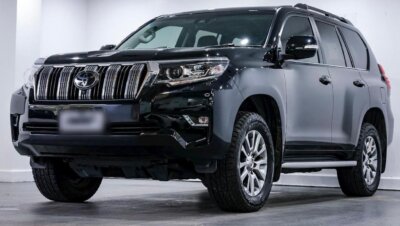
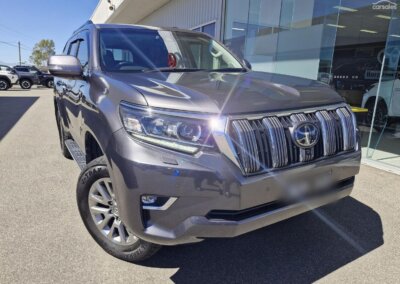
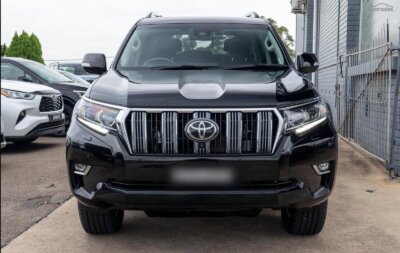
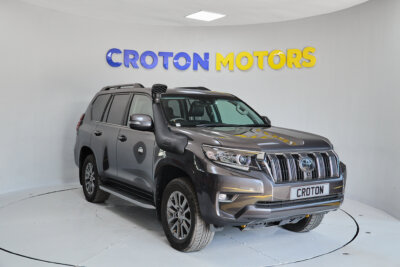
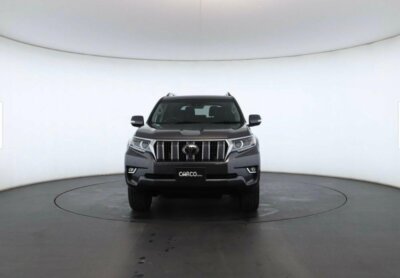
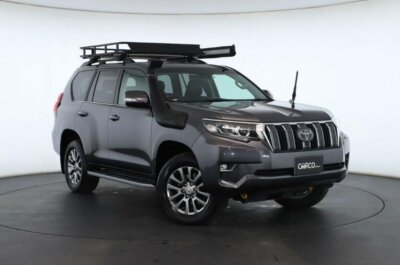
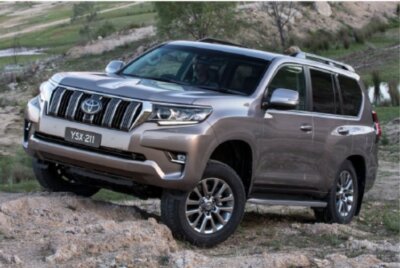
About the Toyota Landcruiser Kakadu
The Toyota LandCruiser Prado needs almost no introduction in Kenya — it’s one of the most trusted, most commonly imported mid-size SUVs on Kenyan roads, driven everywhere from Nairobi’s Runda estates to conservancy tracks in Laikipia. The Prado Kakadu is Toyota Australia’s name for the fully-loaded, top-of-the-range Prado — the version with every comfort feature, the most advanced off-road suspension hardware, and the highest-grade interior Toyota puts on this model.
Kakadu has held that flagship position on the Prado since the 150 Series arrived in 2009, and it carries into the current, all-new 250 Series Prado, launched in Australia in 2024. This latest generation drops the old 6-speed automatic and 3.0L/2.8L naturally-evolving diesel for a thoroughly updated 2.8L turbo-diesel four-cylinder with 48-volt mild-hybrid assistance, paired with a new 8-speed automatic — a genuinely significant upgrade over the outgoing model.
One honest clarification before we go further: “Kakadu” is Australian-market naming, and it is not part of Toyota Kenya’s official price list — no dealership in Kenya, including Croton Motors, is an official Toyota distributor. Kenyan buyers most commonly encounter Prado top trims imported from Japan (badged TX-L or TZ-G) or the Middle East (badged VXL). A genuine Australia-sourced Kakadu is a smaller but growing segment of the market, appealing to buyers who specifically want its unique off-road suspension tech and equipment list. This guide covers what the Kakadu actually is, how it compares to the more commonly available Prado imports, and what it costs to bring in and run in Kenya.
Who typically wants one? Families who want the most comfortable, best-equipped mid-size Toyota SUV available, safari and tourism operators, upcountry business owners who need genuine off-road ability without stepping up to a full-size LandCruiser 300, and buyers who’ve done their research and specifically want Kakadu’s extra equipment over a standard VX/TZ-G import.
Quick Facts
| Spec | Detail |
|---|---|
| Model | Toyota LandCruiser Prado — Kakadu grade (250 Series) |
| Manufacturer | Toyota Motor Corporation (Australia-market trim name) |
| Vehicle Type | Mid-size, 7-seat off-road SUV |
| Engine | 2.8L turbo-diesel inline-4 with 48V mild-hybrid assist |
| Power / Torque | ~150 kW (201 hp) / ~500 Nm |
| Fuel Type | Diesel |
| Transmission | 8-speed automatic |
| Drive Type | Full-time 4WD, Torsen centre diff + rear diff lock |
| Seats | 7 |
| Ground Clearance | ~215–221 mm (approx., varies by suspension setting) |
| Boot Capacity | ~120 L (all seats up) / ~950–1,000+ L (seats folded, approx.) |
| Fuel Economy (claimed combined) | ~7.6–7.9 L/100 km |
| Fuel Economy (real-world Kenya) | ~9.5–11.5 L/100 km |
| Price in Kenya | Not officially listed for the Australian Kakadu — indicative import range roughly KSh 9–14 million depending on age/condition (confirm current quote with Croton Motors); Japan-spec TZ-G/TX-L equivalents typically run somewhat lower |
| Availability in Kenya | Import only — sourced via Croton Motors on request; more common Japan/Middle East equivalents (TZ-G, VXL) widely available |
Is the Prado Kakadu Available in Kenya?
Quick answer: Not as an official new-vehicle purchase — it’s an import, same as the rest of Toyota’s Australian-market lineup. What is very common in Kenya is the broader Prado family generally, since Japan-spec used imports (GX, TX, TX-L, TZ-G) arrive in large volumes.
A genuine Kakadu, sourced from Australia or New Zealand, gives you:
- No steering conversion needed (Australia/NZ are right-hand-drive, same as Kenya).
- The specific Kakadu equipment list — off-road suspension hardware, JBL audio, and interior trim not found on the equivalent Japan-spec TZ-G.
What it doesn’t give you:
- Any local Toyota Kenya factory warranty (imports carry none by the time they land, unless arranged separately).
- The absolute widest local parts familiarity — Prado parts generally are easy to find in Kenya, but Kakadu-specific trim pieces are less common than for the high-volume Japan-spec grades.
Trim Levels: Where Kakadu Sits in the Prado 250 Lineup
| Trim (Australia) | Position | Seats | Wheels | Suspension | Standout Features |
|---|---|---|---|---|---|
| GX | Entry | 5 or 7 | 17–18″ steel/alloy | Coil spring | Basic comfort, work/fleet focused |
| GXL | Mid | 7 | 18″ alloy | Coil spring | Leather-accented seats, 12.3″ screen |
| VX | Upper-mid | 7 | 19–20″ alloy | Coil spring | Leather, heated seats, wireless charging |
| Altitude | Off-road specialist | 7 | 18″ (off-road tyres) | Reinforced/off-road-tuned suspension | Off-road styling and hardware focus, less on-road luxury |
| Kakadu | Luxury & off-road flagship | 7 | 19–20″ alloy | Advanced KDSS-based, load-adaptive suspension | Maximum equipment: JBL audio, digital rearview mirror, panoramic view monitor, premium leather, driver memory seat |
For Kenyan buyers, the everyday equivalents you’ll see on the ground are:
- Japan-spec: GX, TX, TX-L, TZ-G (TZ-G is the closest match to Kakadu’s luxury positioning, though its off-road suspension hardware differs).
- Middle East-spec: GX, GXR, VXL (VXL is the common flagship equivalent).
What Makes Kakadu Different From a Standard VX or TZ-G
- Advanced off-road-tuned suspension delivering noticeably better wheel articulation and ride comfort over rutted ground than the coil-spring setup on VX/TZ-G-equivalent grades.
- Panoramic View Monitor with under-floor camera view — genuinely useful for tight Nairobi parking and technical off-road sections alike.
- Digital rearview mirror and a premium JBL sound system.
- Semi-premium leather upholstery, driver’s seat memory function, and heated front seats as standard.
- Distinct badging, grille finish, and slightly larger wheel fitment than lower grades.
Recommendation: If you’ll genuinely use the off-road suspension and camera systems — rural travel, conservancy roads, occasional overlanding — Kakadu is worth chasing. If your driving is mostly tarmac and you want the luxury feel without the import premium, a well-specced TZ-G or VXL import gets you close to the same everyday experience for meaningfully less money.
Model History
- Kakadu naming origin: Introduced as Prado’s Australian flagship grade with the 150 Series in 2009, replacing the previous “Grande” naming used on earlier generations.
- 150 Series (2009–2023): Originally powered by a 3.0L turbo-diesel four-cylinder (1KD-FTV, ~127 kW/410 Nm). A major 2015 facelift switched to the newer 2.8L turbo-diesel (1GD-FTV, ~130 kW/450 Nm) with a 6-speed automatic. A further 2020 update raised output to roughly 150 kW/500 Nm.
- 250 Series (revealed 2023, launched in Australia 2024): An all-new generation built on Toyota’s updated body-on-frame architecture (related to the platform underpinning the latest Tacoma/4Runner and, at the larger end, the LandCruiser 300). Retains the 2.8L turbo-diesel four-cylinder but adds a 48-volt mild-hybrid system for improved low-speed response and efficiency, paired with a new 8-speed automatic replacing the old 6-speed. Toyota also introduced a GR Sport grade alongside Kakadu, focused on off-road styling rather than outright luxury — meaning Kakadu remains the choice for buyers who want maximum comfort and serious off-road hardware together.
- A related but separate development worth knowing about: Toyota revived the “Land Cruiser” nameplate for the US market in 2024 on a closely related smaller platform, using a different hybrid powertrain and different trim names — it is not sold as “Prado” or “Kakadu” there, but it shares significant engineering DNA with this generation.
Exterior Design
The 250 Series brings a much more upright, boxier design language than the outgoing 150 Series — a deliberate return to a more classic, rugged LandCruiser look, with a bold horizontal-slat grille, sharper LED headlights, and squared-off wheel arches.
- Lighting: Full LED headlights, fog lamps, and tail lights standard on Kakadu.
- Grille: Kakadu-specific grille and badging finish, distinct from GX/GXL’s simpler treatment and Altitude’s blacked-out off-road look.
- Wheels: 19–20 inch alloys on Kakadu, larger than the 17–18 inch fitment on GX/GXL/Altitude (Altitude prioritises tyre sidewall protection for off-road use over wheel size).
- Colours (indicative, Australia-market palette): Typically offered in white, silver, graphite, black, and one or two signature metallics — exact availability depends on model year and the specific unit imported.
- Aerodynamics/practicality note: The boxier new design slightly increases wind resistance versus the outgoing model’s more rounded shape, but improves interior space and a more commanding road presence — a trade-off most buyers in this segment welcome.
Interior
The Kakadu cabin is where the price premium over lower Prado grades is most obvious — leather-appointed seats, soft-touch dash and door materials, and additional sound insulation lift it well above the GX/GXL experience.
- Comfort: Heated front seats, driver’s seat memory function, and generally more supportive cushioning than lower grades.
- Noise insulation: Noticeably quieter cabin than the outgoing 150 Series, particularly at highway speed.
- Visibility: Commanding, upright seating position typical of the LandCruiser family, aided by the panoramic view monitor for low-speed manoeuvring and parking.
- Storage & practicality: Good door bin space, a practical centre console, and multiple USB ports across the cabin — genuinely family-friendly for road trips and school runs alike.
- Passenger space: Second row is comfortable for adults; the third row, as with most vehicles in this class, suits children or shorter adults better on longer journeys.
- Ergonomics: Toyota retains physical buttons and dials for climate control — a deliberate, practical choice many drivers prefer over touch-only interfaces.
Technology
| Feature | Kakadu Specification |
|---|---|
| Infotainment screen | 12.3-inch touchscreen |
| Smartphone connectivity | Wireless Apple CarPlay & Android Auto |
| Instrument cluster | Digital cluster (size varies; Kakadu gets the larger digital display) |
| Audio system | Premium JBL sound system |
| Wireless charging | Yes |
| USB ports | Multiple USB-A/USB-C ports across rows |
| Navigation | Embedded satellite navigation (Australia/NZ map data — Kenyan buyers should rely on CarPlay/Android Auto with Google Maps locally) |
| Rearview mirror | Digital rearview mirror |
| Parking assistance | Panoramic View Monitor with under-floor camera |
| Climate control | Multi-zone automatic climate control |
Practical note: As with any Australia-sourced import, the built-in navigation map data won’t include detailed Kenyan roads — not an issue in practice, since wireless CarPlay/Android Auto lets you run Google Maps or Waze through the main screen.
Engine Options
2.8L Turbo-Diesel Four-Cylinder with 48V Mild-Hybrid — the only Kakadu engine (Australia)
This updated engine is the sole option in the Australian-market Kakadu grade.
- Output: ~150 kW (201 hp) and ~500 Nm of torque.
- Mild-hybrid assist: A 48-volt system helps smooth out low-speed response, reduces turbo lag from a standstill, and assists fuel efficiency — it is not a full hybrid and cannot drive on electric power alone.
- Real-world feel: Strong low-end torque for a four-cylinder, well-suited to Kenya’s mix of stop-start city traffic and long highway hauls. It doesn’t have the outright pulling power of the larger LandCruiser 300’s V6, but it’s more than adequate for towing a boat/trailer or a loaded rooftop box on a family trip.
- Reliability: The 2.8L diesel family (1GD-FTV lineage) has a well-established reputation in Kenya through years of Prado, Hilux, and Fortuner use, giving buyers more confidence than an entirely unproven engine would. The added 48V mild-hybrid hardware is newer technology with a shorter local track record.
- Who it suits: Buyers who want proven Toyota diesel reliability with better efficiency and refinement than the outgoing model, without stepping up to the LandCruiser 300’s higher purchase price and running costs.
- Ownership consideration — DPF regeneration: As with any modern diesel, the diesel particulate filter needs occasional sustained highway running to regenerate properly. Buyers doing almost all their driving in dense Nairobi traffic should plan the occasional longer highway drive to keep it healthy.
Petrol and Hybrid Variants Elsewhere
Some export markets offer a turbo-petrol or hybrid powertrain option in equivalent Prado 250 top-trim vehicles, and the separately-branded US “Land Cruiser” uses a different hybrid system entirely. None of these are sold under the Kakadu name — Kakadu, in every market that uses it, is diesel-powered.
Transmission & Drive System
- Transmission: 8-speed automatic — a meaningful upgrade over the previous generation’s 6-speed, giving smoother shifts and better-matched ratios for both efficient highway cruising and low-range crawling.
- Drive type: Full-time four-wheel drive with a Torsen limited-slip centre differential and an electronically lockable rear differential on Kakadu.
- Off-road hardware: Low-range transfer case, Multi-Terrain Select (adjusts throttle/traction response for mud, sand, rock, or dirt), Crawl Control, and Kakadu’s advanced KDSS-based suspension system for maximum wheel articulation over rough terrain.
- Driving feel: Smooth, unobtrusive shifts in daily driving; predictable gear-holding in low range for controlled descents.
- Maintenance/reliability: The 8-speed automatic is newer than the outgoing 6-speed unit — well-regarded so far, but with a shorter Kenyan ownership track record. Servicing and diagnostics may require a workshop with updated Toyota-specific tools.
Driving Experience in Kenya
Nairobi Traffic
Being noticeably smaller than a full-size LandCruiser 300, the Prado Kakadu is considerably easier to live with in daily Nairobi traffic and multi-storey parking. The mild-hybrid assist smooths out stop-start crawling, and the panoramic view monitor takes the stress out of tight manoeuvring.
Nairobi–Nakuru Highway
The Rift Valley climbs and the patchy sections near Mai Mahiu are handled comfortably — the diesel’s torque copes well with the altitude gain, and Kakadu’s off-road-tuned suspension smooths out repaired-tarmac sections better than the coil-spring setup on lower Prado grades.
Nairobi–Mombasa Highway
A genuinely comfortable long-distance cruiser. Cabin insulation is a clear step up from the outgoing 150 Series, seats are supportive over an 8-hour drive, and the more efficient 2.8L mild-hybrid diesel means fewer, less painful fuel stops than a full-size V6-powered alternative.
Murram and Rural Roads
This is where Kakadu earns its keep over a standard VX/TZ-G. The advanced suspension setup, locking rear differential, and Multi-Terrain Select give genuine confidence on the rutted, uneven roads common across much of rural Kenya — from access roads into conservancies to upcountry farm tracks.
Rainy Season
Full-time 4WD and solid ground clearance make it a confident performer on flooded or waterlogged roads, though as with any SUV, care judging water depth from the driver’s seat is always advisable.
Parking and Manoeuvring
Being a genuine mid-size SUV rather than a full-size one, the Prado Kakadu is meaningfully easier to park in tight Nairobi spaces than the larger LandCruiser 300 — a real everyday advantage for buyers who split their time between city and upcountry driving.
Ride and Handling Character
The suspension leans toward comfort and off-road compliance over sporty handling, with body roll more noticeable in fast corners than in a car-based crossover — a deliberate trade-off for the ride quality and off-road capability the Kakadu grade is built for.
Fuel Economy
| Driving Condition | Estimated Consumption |
|---|---|
| Manufacturer-claimed combined | ~7.6–7.9 L/100 km |
| Real-world Nairobi city traffic | ~11–12.5 L/100 km |
| Real-world highway cruising | ~8–9 L/100 km |
| Real-world combined (Kenya) | ~9.5–11.5 L/100 km |
These real-world figures are estimates based on typical performance of similarly sized and powered diesel SUVs under Kenyan conditions (traffic density, AC use, altitude) — actual consumption varies with driving style and load.
Fuel-saving tips for owners:
- Keep tyres correctly inflated — this has an outsized effect on a vehicle this weight.
- Use adaptive cruise control on the highway for steady-speed efficiency.
- Take occasional longer highway drives to support proper DPF regeneration if your routine is mostly city-based.
- Avoid unnecessary roof-load drag (roof boxes/racks) on routine city driving; fit them only for trips that need them.
Safety
| Safety Feature | Included |
|---|---|
| Pre-Collision System (pedestrian/cyclist detection) | Yes |
| Lane Departure Alert with steering assist | Yes |
| Lane Tracing Assist | Yes |
| Adaptive Cruise Control | Yes |
| Road Sign Assist | Yes |
| Automatic High Beam | Yes |
| Airbags | Multiple, typically including front, side, and full-length curtain airbags (exact count varies by market/model year — confirm on the specific unit) |
| ABS / EBD | Standard |
| Panoramic View Monitor | Yes (Kakadu) |
| Blind Spot Monitor / Rear Cross Traffic Alert | Yes |
As with any imported vehicle, we’d encourage confirming the exact safety equipment fitted to the specific unit you’re buying, since specification can vary slightly by model year and export market.
Reliability
Strengths:
- The Prado nameplate has one of the strongest reliability reputations of any mid-size SUV sold in Kenya, built on years of proven use across taxi, NGO, safari, and private ownership.
- The 2.8L diesel engine family has an established local track record through Prado, Hilux, and Fortuner use.
- Strong resale value across Prado grades generally, Kakadu included.
Known weaknesses / areas to watch:
- The 48V mild-hybrid system and new 8-speed automatic are newer technology on this generation, meaning fewer years of accumulated long-term reliability data than the well-proven outgoing 150 Series.
- Early production units of any redesigned model can carry initial software/infotainment teething issues, generally resolved through updates.
- Kakadu’s more complex off-road suspension system is costlier to repair than the simple coil-spring setup on GX/GXL if a component eventually fails.
Mileage expectations: Based on the broader Prado family’s track record, a well-maintained example can reasonably be expected to comfortably exceed 250,000–300,000 km on its drivetrain — a reasonable expectation drawn from Toyota’s historical performance in this class rather than a guarantee for every individual unit.
Common Problems
| Issue | Symptom | Likely Cause | Severity |
|---|---|---|---|
| DPF clogging | Warning light, reduced power, rough idle | Predominantly short city trips without highway regeneration runs | Moderate — preventable with driving habit changes |
| Infotainment glitches | Screen unresponsive, slow to boot | Early production software builds | Low — usually resolved via update |
| Mild-hybrid system faults | Warning light, reduced smoothness at low speed | Newer 48V system component wear (limited long-term data) | Moderate — repair may require dealer-level diagnostics |
| Off-road suspension faults | Uneven ride, warning light, harsher ride | Component wear over time | Moderate — costlier and more specialised than coil-spring repairs |
| Turbo lag/whistle | Intermittent noise under acceleration | Normal turbo characteristic in most reported cases | Low, but should be checked if excessive |
Because Kakadu isn’t imported in the same volume as Japan-spec TZ-G units, locally-specific problem data is somewhat less extensive. A thorough pre-purchase inspection — with particular attention to the mild-hybrid system and suspension — is strongly recommended.
Maintenance Costs in Kenya
Service intervals: Toyota generally recommends oil and filter changes roughly every 10,000 km (sooner under dusty/severe conditions), with more comprehensive service intervals at 20,000 km, 40,000 km and beyond.
| Item | Estimated Kenya Cost (KSh) |
|---|---|
| Oil & filter change | 10,000 – 18,000 |
| Full service (filters, fluids, inspection) | 30,000 – 50,000 |
| Brake pads (per axle) | 15,000 – 30,000 |
| Battery replacement (main 12V) | 15,000 – 28,000 |
| Tyres (19–20″ fitment, each) | 25,000 – 40,000 |
| Mild-hybrid system diagnostics/repair | Variable — dealer-level diagnostic tools generally required |
Practical insight: Because the Prado’s mechanical platform is already well-established in Kenya, general servicing costs are meaningfully lower than for a full-size LandCruiser 300 — a real advantage of choosing Kakadu over stepping up to the bigger model.
Spare Parts Availability in Kenya
This is a genuine strength of choosing a Prado over a full-size LandCruiser 300. Because Prado is one of the most widely imported and driven SUVs in Kenya, core mechanical parts — engine components, brakes, filters, suspension bushings for standard coil-spring trims — are very widely available through Toyota Kenya’s parts network and independent importers.
Kakadu-specific items — the unique wheels, off-road suspension components, JBL audio parts, digital rearview mirror, and specific interior trim — are less commonly stocked than parts for the high-volume Japan-spec TZ-G, and the newer 48V mild-hybrid components are newer to the local market generally. These may need to be sourced from Australia, Japan, or the UAE, with a longer wait than for mainstream parts.
Insurance Costs in Kenya
Comprehensive motor insurance in Kenya is typically priced as a percentage of insured value — commonly 3–5% annually for this class of SUV, varying by insurer, driver profile, and security features fitted.
Key factors affecting your premium:
- Vehicle value and CRSP-based valuation (Prado generally has well-established CRSP entries, which can make Kakadu’s tax and insurance valuation more predictable than for a genuinely rare model).
- Driver age, experience, and claims history.
- Installed anti-theft/tracking device — often required or strongly incentivised by insurers.
- County of registration.
- Comprehensive vs third-party cover — comprehensive is recommended given the vehicle’s value.
We recommend getting quotes from two or three insurers before finalising your budget.
Australia and New Zealand are right-hand-drive markets, so a Kakadu sourced from either arrives ready for Kenyan roads with no steering conversion required — unlike US-market vehicles.
Why Buy This Vehicle?
Best suited for:
- Families who want the most comfortable, best-equipped mid-size Toyota SUV without stepping up to full-size LandCruiser 300 running costs.
- Safari and tourism operators who need genuine off-road capability in a more manageable size than the full-size LandCruiser.
- Upcountry business owners and NGO field staff who regularly deal with rough or rural roads.
- Buyers who’ve specifically researched Kakadu’s extra equipment over a standard VX/TZ-G and want it.
Who might be better served by a different vehicle:
- Buyers who want the widest possible local parts and service familiarity, with the smallest import premium, should look at a Japan-spec TZ-G or Middle East VXL — both get you close to the Kakadu experience for less.
- Buyers needing full-size third-row space and outright towing/off-road capability should consider the LandCruiser 300, accepting its higher purchase and running costs.
- Budget-conscious buyers should look at GX or GXL grades, or consider the outgoing 150 Series Prado, which remains widely available and well-understood in the Kenyan market.
Competitors
| Vehicle | Positioning | Engine | Off-Road Tech | Local Availability in Kenya |
|---|---|---|---|---|
| Toyota LandCruiser Prado Kakadu | Mid-size luxury/off-road flagship | 2.8L turbo-diesel I4, mild-hybrid | Advanced off-road suspension, locking rear diff | Import only; broader Prado family very common |
| Toyota LandCruiser 300 GX | Full-size step-up, entry trim | 3.3L twin-turbo diesel V6 | Full-time 4WD, low range | Import only |
| Ford Everest Titanium/Platinum | Mid-size, strong on-road refinement | 2.0L/3.0L turbo-diesel | Terrain Management System | Officially available |
| Isuzu MU-X LS-T | Value-focused mid-size SUV | 3.0L turbo-diesel | Rear diff lock (higher grades) | Widely available |
| Mitsubishi Pajero Sport Exceed | Established mid-size 4×4 | 2.4L turbo-diesel | Super Select 4WD | Widely available |
| Toyota Fortuner GR Sport | Sportier, more affordable Toyota stablemate | 2.8L turbo-diesel | Basic off-road assist features | Widely available |
The Prado Kakadu sits above most of these on price and equipment, competing more directly with top-trim versions of the Everest and Pajero Sport, while offering stronger resale value and local reputation than either.
Pros and Cons
| Pros | Cons |
|---|---|
| Proven, well-understood 2.8L diesel platform with strong Kenya track record | “Kakadu” trim itself is import-only, not officially sold in Kenya |
| Meaningfully cheaper to buy and run than a full-size LandCruiser 300 | Kakadu-specific parts less common locally than mainstream Prado parts |
| Excellent general parts and service availability (Prado is hugely popular in Kenya) | 48V mild-hybrid and 8-speed automatic are newer tech with shorter local track record |
| Advanced off-road suspension and equipment genuinely useful upcountry | Not as capable or spacious as a full-size LandCruiser 300 for serious off-road/towing needs |
| Easier to park and manoeuvre than a full-size SUV | DPF needs regular highway runs — a habit adjustment for city-only drivers |
| Comfortable, quiet cabin for long highway trips | Complex suspension and hybrid components costlier to repair if they fail |
| Strong resale value | Slightly boxier new design increases wind resistance vs outgoing model |
Frequently Asked Questions
1. Is the Toyota Prado Kakadu available in Kenya? Not as an official new-vehicle purchase — it’s import-only, same as the rest of Toyota Australia’s lineup. Japan-spec TZ-G and Middle East VXL equivalents are much more common on the ground.
2. Is the Prado Kakadu reliable? Broadly yes, built on the well-proven 2.8L diesel platform with years of Kenyan track record through Prado, Hilux, and Fortuner use. The newer 48V mild-hybrid system and 8-speed automatic have a shorter history to judge, though early signs are positive.
3. What is the fuel consumption of the Prado Kakadu? Manufacturer-claimed combined consumption is around 7.6–7.9 L/100km; real-world Kenyan driving typically runs closer to 9.5–11.5 L/100km depending on traffic and load.
4. How much does a Prado Kakadu cost in Kenya? There is no official Kenyan price list. Indicative import pricing for a fairly recent, well-specified unit is roughly KSh 9–14 million, plus applicable import duties and taxes. Contact Croton Motors for a current, unit-specific quote.
5. Is the Prado Kakadu expensive to maintain? No more than other top-trim Prado grades for routine servicing — genuinely cheaper than a full-size LandCruiser 300. Kakadu-specific trim and suspension parts are somewhat pricier and slower to source than mainstream Prado parts.
6. Can the Prado Kakadu handle Kenyan roads — potholes, murram, and flooding? Yes. Full-time 4WD, a locking rear differential, and Kakadu’s advanced off-road suspension make it a strong performer on rough rural roads and flooded conditions.
7. How much insurance does a Prado Kakadu need in Kenya? Comprehensive cover is recommended, typically priced around 3–5% of insured value annually, with most insurers requiring a certified GPS tracker for this value bracket.
8. Does it have Apple CarPlay and Android Auto? Yes, both supported wirelessly through the 12.3-inch touchscreen.
9. What engine does the Prado Kakadu use — is it a 2.8L or a V6? It’s a 2.8L turbo-diesel four-cylinder with 48-volt mild-hybrid assistance, producing around 150 kW and 500 Nm. The larger 3.3L twin-turbo V6 diesel is reserved for the full-size LandCruiser 300, a separate and larger model.
10. Which is better for Kenya — Kakadu, or a more common import like the Japan-spec TZ-G? If you specifically want Kakadu’s advanced off-road suspension and unique equipment and don’t mind the import process, it’s the more capable and better-equipped choice. If you want the closest possible experience with easier local parts support and a smaller import premium, a well-specified TZ-G is the more practical option.
Should You Buy It?
If you’re searching for a Toyota Prado Kakadu for sale in Kenya, the honest picture is this: it’s not a vehicle you’ll find with an official Toyota Kenya price sticker — it’s a deliberate import choice for buyers who specifically want the best-equipped, most off-road-capable version of Toyota’s most trusted mid-size SUV.
For families and upcountry buyers who want genuine off-road ability, a comfortable and well-insulated cabin, and the reassurance of a proven 2.8L diesel platform, the Kakadu is an excellent choice — and one that costs meaningfully less to buy and run than stepping up to a full-size LandCruiser 300. The Prado Kakadu price in Kenya reflects both its import status and its flagship equipment level, and once you factor in a realistic Prado Kakadu fuel consumption of 9.5–11.5 L/100km in real-world Kenyan driving and a Prado Kakadu maintenance cost that benefits from Prado’s excellent overall parts ecosystem here, it’s a genuinely sound long-term ownership proposition.
If your budget doesn’t stretch to a dedicated Kakadu import, a well-specified Japan-spec TZ-G or Middle East VXL Prado will get you very close to the same everyday experience for considerably less money and even easier local support.
Croton Motors can help you weigh these options honestly — sourcing and inspecting a genuine Kakadu import if that’s specifically what you’re after, or pointing you toward a more cost-effective Prado alternative that better fits your budget and driving needs. Get in touch for a current, unit-specific quote and import cost breakdown before you commit.
What is the price of Toyota Landcruiser Kakadu in Kenya?
Prices of locally used Toyota Landcruiser Kakadu in Kenya will range from as low as KES 8,000,000 to around KES 12,500,000 for new models. Below is a price guide of newly imported Toyota Landcruiser Kakadu in Nairobi and Mombasa.
| Model Year | Price |
|---|---|
| 2017 | KES 8,000,000 ~ 9,000,000 |
| 2018 | KES 8,500,000 ~ 9,000,000 |
| 2019 | KES 9,000,000 ~ 10,000,000 |
| 2020 | KES 9,000,000 ~ 10,000,000 |
| 2021 | KES 10,500,000 ~ 12,000,000 |
| 2022 | KES 10,500,000 ~ 12,500,000 |
Are you looking at buying new or used Toyota Landcruiser Kakadu in Kenya? Are you looking at selling your used Toyota Landcruiser Kakadu in Kenya? Do you want to know the prices of new or used Toyota Landcruiser Kakadu in Kenya? Do you want to know how to import Toyota Landcruiser Kakadu from Japan? Please visit our show room in Karen, Nairobi and our sales agents will guide you.
Below is a list of Toyota Landcruiser Kakadu for sale in Nairobi, Kenya and also others available in Japan. You can now buy and import year 2026, 2025, 2024, 2023, 2022, 2021, 2020, and 2019 Toyota Landcruiser Kakadu from Japan to Kenya.