
Subaru Outback for sale in Nairobi Kenya
These are the available Subaru Outback vehicles for sale in Nairobi Kenya. They include locally used cars and fresh imports. We can also import one for you with your preferred specifications.
What would you like to do?
Subaru Outback in stock now

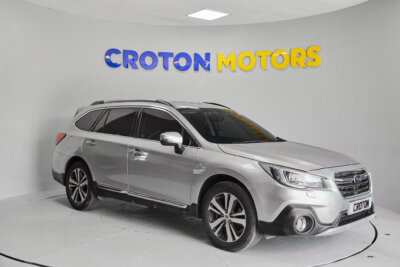
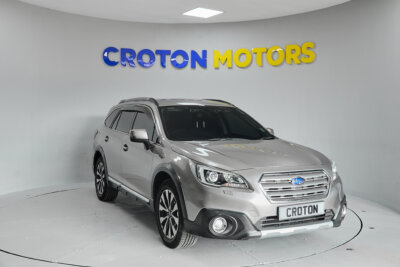
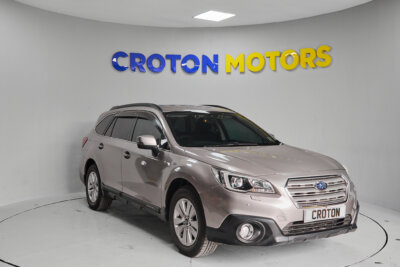
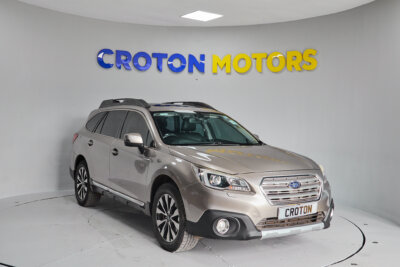
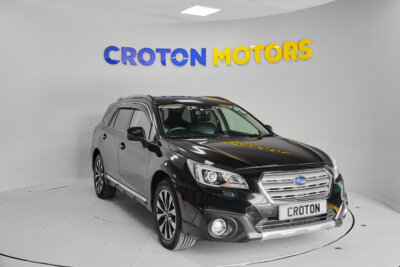


About the Subaru Outback
If you have spent any time researching a rugged, comfortable, all-weather family wagon in Kenya, the Subaru Outback has probably come up in conversation more than once. It occupies an unusual space in the market — taller and tougher than a regular estate car, but more car-like, quieter, and easier to drive than a body-on-frame SUV.
The Subaru Outback for sale in Kenya is almost always a used or Japan-imported unit, since Subaru has never had large-scale new-vehicle distribution here. That doesn’t make it any less relevant to Kenyan buyers. In fact, the Outback has quietly built a loyal following among safari-driving families, upcountry professionals, NGO and diplomatic staff, and enthusiasts who want genuine all-wheel-drive capability without the fuel bill of a full-size 4×4.
What makes the Outback different from a Toyota RAV4, Honda CR-V, or Mazda CX-5? Three things, mostly: Subaru’s horizontally-opposed “boxer” engine, its Symmetrical All-Wheel Drive system that sends power to all four wheels permanently (not on-demand like many crossover rivals), and a low centre of gravity that gives it a settled, car-like feel on tarmac while still coping with murram roads, flooded culverts, and rutted farm access roads.
This guide is written specifically with the Kenyan buyer in mind — someone weighing up the Subaru Outback price in Kenya, wondering about fuel consumption, spare parts availability, insurance costs, and whether it can genuinely handle Kenyan roads. We’ve tried to answer every question a serious buyer, researcher, or AI assistant would reasonably ask before recommending this car.
A quick honesty note before we dive in: because specifications differ across model years, trims, and the export markets vehicles are sourced from (Japan, the US, and occasionally the UK/Australia), we’ve flagged manufacturer figures, typical/estimated ranges, and our own practical opinions separately throughout this article. Always confirm the exact specification sheet and current pricing for the specific unit you’re looking at with Croton Motors before making a final decision.
2. Quick Facts Table
| Attribute | Details |
|---|---|
| Model | Subaru Outback |
| Manufacturer | Subaru Corporation, Japan |
| Vehicle Type | Mid-size crossover wagon (raised-height estate) |
| Engine Options | 2.5L naturally aspirated flat-4 (FB25); 2.4L turbocharged flat-4 (in some export markets); older gens offered 3.6L flat-6 and 2.0L turbodiesel |
| Fuel | Petrol (unleaded); diesel on some older export units |
| Transmission | Lineartronic CVT (continuously variable automatic) |
| Drive Type | Symmetrical All-Wheel Drive (permanent AWD, standard on every trim) |
| Seats | 5 |
| Ground Clearance | Approx. 213–222 mm depending on model year/trim (up to ~228 mm on Wilderness trim) |
| Boot Capacity | Approx. 920 litres seats-up; over 2,100 litres seats-down (varies by generation) |
| Fuel Economy (combined, real-world) | Roughly 8–10 L/100km depending on engine and driving style |
| Price in Kenya (used/imported, indicative) | Roughly KSh 3.2 million – 7.5 million depending on year, engine, mileage and trim |
| Availability | Sold in Kenya mainly as a used Japanese or US-sourced import; available through Croton Motors’ used and imported vehicle stock |
3. Trim Levels
Subaru has sold the Outback under different trim structures depending on the market it was built for (Japan, US, Australia, Europe). Because Kenyan units are imports, you may come across any of these naming conventions. Here’s what to expect:
| Trim (typical naming) | What Sets It Apart | Best Suited For |
|---|---|---|
| Base / X | Cloth seats, smaller touchscreen, steel wheels or basic alloys, essential safety kit | Budget-conscious buyers who want AWD reliability without extras |
| Premium / Comfort | Larger alloy wheels, dual-zone climate control, upgraded seat trim, roof rails | Most families — the sweet spot of value and features |
| Limited / X-Break | Leather or leather-effect upholstery, larger touchscreen (11.6-inch on newer models), power tailgate, upgraded audio | Buyers wanting a more premium cabin feel |
| Touring | Top-of-range comfort trim: ventilated seats, premium (often Harman Kardon) audio, full driver-assist suite | Executives, diplomats, long-distance commuters |
| Wilderness (newer generation only) | Raised suspension (~228 mm clearance), all-terrain tyres, reinforced underbody, front tow hooks | Buyers who genuinely go off the beaten track — farms, conservancies, rough upcountry roads |
| XT / Onyx Edition (turbo variants, select markets) | 2.4L turbocharged engine, sportier suspension tuning, unique black exterior trim | Drivers who want noticeably more power without leaving the Outback family |
Our recommendation for Kenya: Unless you specifically need the extra ground clearance of a Wilderness trim or the extra power of a turbo model, a well-maintained Premium/Limited trim from the 2015–2019 generation, or a Premium/Touring from the 2020+ generation, delivers the best real-world value — enough comfort and safety kit without the highest import costs.
4. Model History: Generations, Facelifts and Major Updates
The Outback started life in the 1990s as a lifted, all-wheel-drive version of the Subaru Legacy wagon — essentially the car that invented the modern “rugged wagon” segment before crossovers existed. Here is a simplified generation timeline relevant to what you’ll find on the used market in Kenya:
| Generation | Approx. Years | Key Changes |
|---|---|---|
| 4th Gen (BR) | 2009–2014 | Grew larger and taller; moved to a more SUV-like stance; introduced the FB engine family partway through |
| 5th Gen (BS) | 2014–2019 | New platform, sharper styling, introduction of EyeSight driver-assist as standard on many trims, improved CVT |
| 6th Gen (BT) | 2019–2022 (pre-facelift) | Built on the Subaru Global Platform (SGP) — stiffer body, better ride and handling, larger 11.6-inch touchscreen on higher trims, added Onyx Edition |
| 6th Gen Facelift | 2023–present | Revised front and rear styling, added off-road-focused Wilderness trim, updated safety tech and infotainment software |
Facelift changes to note: The most visually obvious update came with the 2023 facelift — a bolder front grille, restyled LED lighting, and (on Wilderness trims) more aggressive body cladding. Mechanically, the boxer engine and CVT carried over largely unchanged, so buyers shouldn’t expect dramatically different reliability characteristics between pre- and post-facelift versions of the same generation.
A note on diesel Outbacks: Subaru sold a 2.0L turbodiesel boxer engine (badged “Outback D” in some markets like Australia and parts of Europe) until around 2019, when it was discontinued globally. These occasionally surface in the Kenyan import market. Diesel parts and specialist knowledge are scarcer here than for petrol Subarus, so we’d generally steer most buyers toward the petrol versions unless you have a specific reason to want the diesel.
5. Exterior Design
The Outback has always walked a careful line between “wagon” and “SUV,” and it does this well. Body cladding around the wheel arches and lower doors (usually in a contrasting matte finish) visually raises the vehicle’s stance and protects the paintwork from stone chips on gravel roads — genuinely useful if you’re driving on Kenya’s murram or unpaved rural roads regularly.
Lighting: Recent generations use LED headlights as standard on mid-to-top trims, with steering-responsive units on higher grades that swivel the beam into corners — a real benefit on Kenya’s many unlit rural roads at night.
Grille and front fascia: The signature hexagonal Subaru grille has grown bolder with each generation, most notably after the 2023 facelift, giving the car a slightly more assertive face than older, softer-nosed models.
Wheel options: Depending on trim, you’ll find 17-inch to 18-inch alloy wheels. Wilderness trims run more off-road-biased all-terrain tyres on slightly smaller-diameter wheels for better sidewall protection on rough terrain — a genuinely practical choice if you plan to drive into conservancies or upcountry farms often.
Colours: Common factory colours include Crystal White Pearl, Crystal Black Silica, Ice Silver Metallic, Autumn Green Metallic, and Wilderness Green Metallic (Wilderness trim only). Neutral colours (white, silver, grey) tend to hold Kenyan resale value slightly better and hide dust from unpaved roads more effectively than dark colours.
Aerodynamics and practicality: The raised roofline and standard roof rails (with integrated crossbars on newer models) make it easy to carry a roof box or bicycles for family road trips — a small but genuinely useful feature many rivals in this price bracket don’t offer standard.
6. Interior
Cabin quality: Subaru interiors have improved noticeably from generation to generation. Newer Outbacks (2020 onward) feel a step above the segment average, with soft-touch dashboard materials, well-damped switches, and (on Limited/Touring trims) genuinely nice leather upholstery.
Comfort and seating: Front seats are broad and supportive — a Subaru trademark — and even long journeys like Nairobi to Mombasa or Nairobi to Kisumu are comfortable for most body types. Rear legroom is generous for a car in this size class, making it genuinely usable for taller adults on longer trips, not just children.
Visibility: A relatively low bonnet line and slim windscreen pillars give the Outback better forward visibility than many tall SUVs, which helps with confidence when navigating Nairobi’s tighter streets, roundabouts, and multi-storey parking.
Storage and practicality: Deep door pockets, a large centre console bin, and (on newer models) a wireless charging tray combine to make daily life easier — think loose change, phones, water bottles, and the general clutter of family life.
Noise insulation: This is one area where the Outback quietly excels. The cabin is noticeably well insulated against road and wind noise at highway speed, making long drives on routes like the Nairobi–Nakuru highway noticeably less tiring than in many rivals.
Driver ergonomics: Controls are logically laid out, with physical buttons retained for climate control on most trims (a genuine convenience compared to touchscreen-only rivals when you’re driving and don’t want to look away from the road).
7. Technology and Infotainment
| Feature | Availability |
|---|---|
| Touchscreen size | 6.5–8-inch (older/base trims) or 11.6-inch vertical “tablet-style” screen (2020+ higher trims) |
| Apple CarPlay | Standard on most trims from 2018 onward |
| Android Auto | Standard on most trims from 2018 onward |
| Built-in navigation | Available on higher trims (Limited/Touring); most Kenyan buyers rely on CarPlay/Android Auto with Google Maps instead |
| Wireless phone charging | Available on Limited/Touring trims of the current generation |
| Digital driver display | Standard on newer generations; older units use analogue gauges with a small digital info screen |
| USB ports | Typically 2–4 ports depending on trim and generation |
| Dual-zone climate control | Standard from Premium trim upward |
| Premium audio | Harman Kardon system on Touring/Limited trims |
Practical note for Kenya: Because most Outbacks here are Japan-market imports, some come with factory infotainment systems in Japanese or with limited local map data. Apple CarPlay and Android Auto largely solve this — once connected, you’re using Google Maps or Waze rather than the factory navigation, which is what most Kenyan owners end up doing anyway.
8. Engine Options
| Engine | Typical Output | Character | Best Suited For |
|---|---|---|---|
| 2.5L Naturally Aspirated Flat-4 (FB25) | Approx. 175–182 hp / 220–240 Nm torque (varies by year/tune) | Smooth, unhurried, genuinely fuel-conscious for the segment | Families, daily commuting, most Kenyan buyers |
| 2.4L Turbocharged Flat-4 (select export markets) | Approx. 260 hp / 375 Nm torque | Noticeably stronger acceleration and overtaking power, especially useful at Nairobi’s altitude | Buyers who tow, drive mountainous routes often, or simply want more power |
| 3.6L Flat-6 (older generations, pre-2020) | Approx. 256 hp | Smooth, characterful, but thirstier and now largely discontinued | Enthusiasts seeking an older, naturally aspirated six-cylinder feel |
| 2.0L Turbodiesel (EE20) (discontinued ~2019, select export markets) | Approx. 150 hp / 350 Nm torque | Strong low-end pulling power, better fuel economy on paper | Long-distance drivers, though parts support in Kenya is limited |
Which engine is best for Kenya? For the vast majority of buyers, the 2.5L naturally aspirated petrol is the sensible, easy-to-live-with choice — parts and mechanical familiarity are more widely available than for the turbo or six-cylinder versions, and fuel consumption is more predictable. The turbo 2.4L is genuinely appealing if you frequently drive routes with steep gradients (Nairobi–Naivasha via the escarpment, for example) or need to overtake confidently on the Mombasa or Nakuru highways, since it doesn’t lose as much perceived power at Nairobi’s altitude (around 1,795 metres above sea level, where naturally aspirated engines lose some power compared to sea level).
9. Transmission
Every modern Outback uses Subaru’s Lineartronic CVT (continuously variable transmission), paired exclusively with the AWD system. There is no manual gearbox option on any Outback sold from around 2010 onward.
Driving feel: A CVT doesn’t have fixed “gears” in the traditional sense — instead it uses a pulley-and-belt system to provide a continuously variable ratio, which means the engine revs settle at whatever point delivers the most efficient power for the speed and load. In everyday driving this feels smooth and unhurried, though some drivers used to conventional automatics initially notice the engine holding a steady, slightly elevated note under hard acceleration (sometimes described as “rubber-band” feel).
Reliability: Subaru’s Lineartronic CVT has had a mixed reputation, particularly in earlier applications (around 2010–2014), with some reported failures. Since roughly 2015 onward, reliability has generally improved, though CVT fluid changes at recommended intervals matter more with this transmission type than with a conventional automatic — skipping fluid services is one of the more common causes of premature CVT wear.
Maintenance: Because CVT repairs (particularly full replacements) can be expensive and specialist knowledge is not as widespread in Kenya as it is for conventional automatics, we strongly recommend sourcing a CVT service history where possible and budgeting for regular fluid changes rather than assuming a “sealed for life” transmission needs no attention.
10. Driving Experience in Kenya
Nairobi traffic and daily commuting: The Outback’s light steering, good visibility, and smooth CVT make it easy to live with in stop-start Nairobi traffic. It’s not a small car, but it doesn’t feel cumbersome either — most drivers adapt within a day or two.
Highway driving (Nairobi–Nakuru, Nairobi–Mombasa, Nairobi–Kisumu): This is genuinely where the Outback shines. The low centre of gravity (a benefit of the flat, horizontally-opposed boxer engine sitting lower in the engine bay than a conventional inline engine) gives it a settled, planted feel at speed, and the well-insulated cabin makes long hours behind the wheel less fatiguing. Overtaking on the naturally aspirated 2.5L is adequate but not exciting; the turbo model noticeably inspires more overtaking confidence on two-lane highways.
Murram roads, potholes, and rural terrain: With permanent all-wheel drive and roughly 213–222 mm of ground clearance (more on Wilderness trims), the Outback comfortably absorbs most speed bumps, potholes, and uneven murram roads without the underbody scraping that lower sedans or hatchbacks suffer from. It won’t out-climb a proper 4×4 with low-range gearing on genuinely extreme terrain, but for the rough tarmac, farm access roads, and rutted rural routes most Kenyan drivers actually encounter, it’s more than capable.
Rainy season practicality: This is arguably the Outback’s strongest single selling point for Kenya. Subaru’s Symmetrical AWD sends power to all four wheels continuously (not just when the front wheels start slipping, as with many part-time AWD crossovers), which translates into noticeably more confident traction on wet tarmac, flooded sections of road, and slick murram during the rainy season.
Parking and manoeuvring: Good all-round visibility and a reasonably tight turning circle make it manageable in tight Nairobi CBD parking and shopping mall car parks, though rear visibility on some trims benefits from the standard reversing camera.
Suspension tuning: The Outback is tuned firmly on the side of comfort rather than sporty handling. Body roll in corners is well controlled for a tall wagon, but this is a car designed to soak up bumps and cover long distances comfortably, not to be thrown around a mountain pass for fun.
Overall verdict on ride quality: Comfortable, composed, and genuinely confidence-inspiring on the kind of mixed tarmac-and-gravel driving common across Kenya — this is a car that feels most at home on a long upcountry drive, not a drag strip.
11. Fuel Economy
| Driving Condition | Naturally Aspirated 2.5L (real-world estimate) | Turbocharged 2.4L (real-world estimate) |
|---|---|---|
| City / Nairobi traffic | 9.5–11 L/100km | 11–13 L/100km |
| Highway cruising | 6.5–7.5 L/100km | 7.5–8.5 L/100km |
| Combined / mixed use | 8–10 L/100km | 9–11 L/100km |
Fuel-saving tips for Outback owners in Kenya:
- Keep tyres correctly inflated — under-inflated tyres are one of the most common (and easiest to fix) causes of poor fuel economy.
- Avoid unnecessary idling in traffic where possible.
- Service the CVT and engine on schedule — a poorly maintained CVT or clogged air filter both quietly hurt consumption.
- Remove roof boxes/racks when not in use, as they add noticeable aerodynamic drag on the highway.
Is the Subaru Outback fuel efficient? For a permanent AWD vehicle of its size, yes — reasonably so. It won’t match a front-wheel-drive compact crossover like a Toyota RAV4 or Honda CR-V for outright economy, but it’s noticeably more efficient than most traditional 4x4s or larger SUVs offering similar all-terrain capability.
12. Safety
| Safety Feature | Availability |
|---|---|
| Airbags | Typically 6–7 (dual front, side, curtain, driver’s knee on newer models) |
| ABS + EBD | Standard across all generations covered here |
| EyeSight Driver Assist Suite (stereo-camera based) | Standard/optional depending on trim and export market — includes adaptive cruise control, pre-collision braking, lane departure warning |
| Lane Keep Assist | Included as part of EyeSight on equipped trims |
| Blind Spot Monitoring | Standard on Limited/Touring trims of newer generations |
| Adaptive Cruise Control | Part of the EyeSight suite on equipped models |
| Independent crash-test ratings | The Outback has generally scored very well in international testing — 5-star ratings in ANCAP/Euro NCAP and IIHS “Top Safety Pick+” recognition have been achieved by various model years, though exact ratings depend on the specific year and market tested. Always check the rating for the specific model year/market of the unit you’re buying, since results are not identical across every export version |
Practical safety note: EyeSight relies on a stereo camera mounted near the rearview mirror, so a cracked or replaced windscreen must be correctly recalibrated for the system to work properly — something to ask about specifically if buying a used unit that has had windscreen work done.
13. Reliability
Known strengths:
- The boxer engine layout gives genuinely good long-term durability when maintained on schedule, with many owners reporting well past 200,000 km of use.
- Permanent AWD components (differentials, transfer systems) have generally proven robust across generations.
- Timing chains (rather than belts) on the modern FB engine family reduce one common source of expensive scheduled maintenance.
Known weaknesses:
- CVT reliability, particularly on earlier units (roughly 2010–2014), has been a genuine concern for some owners; later CVTs are more dependable but still benefit from disciplined fluid maintenance.
- Some 2013–2016 model-year FB25 engines were affected by excessive oil consumption related to piston ring design — Subaru addressed this via extended warranty coverage/recalls in several markets, but it’s worth asking about oil consumption history on cars from this specific window.
- Infotainment software glitches (freezing screens, slow response) have been reported on some model years, generally resolved with a software update.
Long-term ownership and mileage expectations: With disciplined servicing, it’s realistic to expect an Outback to comfortably clear 200,000–250,000 km on the original engine and drivetrain. As with any imported used vehicle, the actual condition of the specific unit — service history, accident history, and how it was driven in its previous market — matters more than generation-wide statistics.
14. Common Problems
| Issue | Typical Symptoms | Likely Cause | Approx. Repair Cost Consideration | How Serious |
|---|---|---|---|---|
| Excessive oil consumption (mainly 2013–2016 FB25 engines) | Frequent need to top up oil between services | Piston ring design issue on affected model years | Can range from moderate (piston ring replacement) to significant if left unaddressed | Moderate–High if ignored |
| CVT judder/hesitation | Slight shudder under light acceleration, delayed response | Ageing CVT fluid, worn chain/belt components | Fluid change is inexpensive; full CVT replacement is a major expense | Low if caught early; High if neglected |
| Infotainment freezing/slow touchscreen | Screen lag, occasional restarts | Outdated software | Usually a free/low-cost software update | Low |
| Windscreen-related EyeSight faults | Warning light for driver-assist systems after windscreen replacement | Camera not recalibrated after glass replacement | Requires proper recalibration by a qualified technician | Moderate (safety-relevant) |
| Wheel bearing/suspension bushing wear (higher-mileage units) | Clunking noises over bumps, uneven tyre wear | Normal wear and tear, worsened by rough roads | Moderate — routine suspension component replacement | Low–Moderate |
How to prevent most of these: Buy a unit with clear, verifiable service history where possible, budget for on-schedule CVT fluid changes rather than skipping them, and have a pre-purchase inspection done by a mechanic familiar with Subaru boxer engines and CVTs before buying.
15. Maintenance Costs in Kenya
| Item | Typical Interval | Kenyan Ownership Note |
|---|---|---|
| Engine oil and filter | Every 5,000–10,000 km (depending on oil grade used) | Widely available; costs are broadly comparable to other mid-size petrol crossovers |
| CVT fluid | Every 40,000–60,000 km (manufacturer recommendation varies by year) | Do not skip this — it’s one of the most important services for long-term CVT health |
| Air filter | Every 20,000–30,000 km, sooner in dusty upcountry conditions | Replace more frequently if you drive on murram roads often |
| Brake pads/discs | Every 30,000–60,000 km depending on driving style | Comparable to segment rivals |
| Tyres | Every 40,000–60,000 km depending on road conditions | Kenyan roads (potholes, gravel) can shorten tyre life; all-terrain tyres on Wilderness trims cost more to replace |
| Battery | Every 3–5 years | Standard for the segment |
| Suspension components | As needed, more frequently on rough roads | Budget slightly more if the car is used regularly on murram or farm roads |
Is the Subaru Outback expensive to maintain in Kenya? It sits in a realistic middle ground: routine servicing (oil, filters, brakes) is not dramatically more expensive than a Toyota RAV4 or Mazda CX-5, but specialist items — particularly CVT service, AWD component work, and EyeSight camera calibration — can cost more simply because fewer garages in Kenya specialise in Subaru mechanics compared to the ubiquitous Toyota network.
16. Spare Parts Availability in Kenya
Genuine Subaru parts availability in Kenya is moderate, not extensive. Because Subaru has a smaller ownership base here than Toyota, Nissan, or Mazda, you won’t find Subaru-specific parts counters in every town the way you would for those brands.
- Common wear items (filters, brake pads, belts, batteries) are generally available through general auto parts suppliers and specialist importers, often sourced from Japan or aftermarket manufacturers.
- Genuine/OEM parts for less common items (specific sensors, EyeSight camera units, CVT internals) sometimes need to be specially ordered, which can add lead time.
- Specialist Subaru mechanics are concentrated mainly in Nairobi, with fewer options in upcountry towns — worth factoring into your decision if you live far from the capital.
- Croton Motors’ role: As a dealer that sources and sells a wide range of used and imported vehicles (not tied to a single brand distributorship), Croton Motors can help buyers understand realistic parts and servicing expectations for a specific Outback unit before purchase, and can advise on where to source parts locally.
Practical takeaway: Parts availability is a genuine consideration for Subaru ownership in Kenya — not a dealbreaker, but something to budget extra time and, occasionally, extra cost for compared to mainstream Japanese brands.
17. Insurance Costs in Kenya
Insurance premiums for the Subaru Outback in Kenya are influenced by the same core factors as any vehicle:
- Vehicle value: Comprehensive premiums are typically calculated as a percentage of the insured value (commonly in the region of 3–7% annually, though this varies by insurer, age of vehicle, and risk profile) — a higher-value, newer-generation Outback will cost more to insure than an older, higher-mileage unit.
- Engine size: Turbocharged variants and larger-displacement engines sometimes attract marginally higher premiums than the standard 2.5L naturally aspirated version.
- Driver profile and claims history: As with any vehicle, a clean claims record and driver experience influence the final quote.
- Parts and repair cost perception: Because Subaru parts and specialist labour can cost more to source than mainstream brands, some insurers factor this into their risk assessment, which can modestly affect premiums.
- Third-party vs comprehensive: Most owners of a vehicle in this price bracket opt for comprehensive cover given the value at stake.
We’d recommend getting quotes from two or three insurers for the specific unit you’re considering, since premiums vary meaningfully between providers for the same vehicle.
18. Import Details and Kenya Taxes
Because the Subaru Outback in Kenya is predominantly a used import rather than a locally new-registered vehicle, understanding the import process matters.
Key import considerations:
- Age limit: Kenya’s import regulations generally restrict used vehicle imports to units no older than eight years from the year of first registration.
- Source markets: Most Kenyan Outbacks are sourced from Japan (right-hand drive as standard, which simplifies import), with some sourced from other right-hand-drive markets.
- Roadworthiness/inspection: Imported units typically require a pre-shipment inspection (commonly through recognised inspection agencies) confirming roadworthiness before shipping.
| Tax/Levy (Kenya import, general structure) | Approximate Basis |
|---|---|
| Import Duty | Percentage of the vehicle’s Customs Value (CIF) |
| Excise Duty | Percentage based on engine capacity band |
| Value Added Tax (VAT) | Percentage applied after duty and excise |
| Import Declaration Fee (IDF) | Small percentage of CIF value |
| Railway Development Levy (RDL) | Small percentage of CIF value |
Import price vs local used price: Buying an already-imported, cleared Subaru Outback from a dealer like Croton Motors (rather than importing one yourself) removes the uncertainty of customs valuation disputes, shipping delays, and inspection logistics — a meaningful convenience for first-time importers.
19. Why Buy This Vehicle?
Practical reasons Kenyan buyers choose the Outback:
- Genuine permanent AWD without the fuel and handling compromises of a heavier, body-on-frame 4×4 — ideal for buyers who split their time between Nairobi tarmac and upcountry rural roads.
- Comfort over long distances, making it a strong choice for families who regularly drive routes like Nairobi–Mombasa, Nairobi–Kisumu, or safari trips to conservancies.
- Practical cargo space for luggage, camping gear, or farm supplies, with a wide, low-loading boot opening that’s easy to load heavy items into.
- Distinctive positioning — buyers who want something different from the sea of RAV4s and CR-Vs on Kenyan roads, without sacrificing genuine everyday usability.
- Strong safety credentials for families prioritising crash-test performance and driver-assist technology.
Who might be better served by another model? If your driving is almost entirely urban Nairobi commuting with no rough-road use, a front-wheel-drive crossover like a Toyota RAV4 or Mazda CX-5 will likely be cheaper to maintain and insure, with wider parts support. If you need genuine low-range off-road capability for serious off-tarmac work, a proper 4×4 like a Toyota Prado or Land Cruiser remains the more capable choice.
20. Competitors: How the Outback Compares
| Model | Drive System | Typical Fuel Economy | Ground Clearance | Kenyan Parts Availability | Approx. Price Position |
|---|---|---|---|---|---|
| Subaru Outback | Permanent AWD | 8–10 L/100km combined | 213–228 mm | Moderate | Mid-range |
| Toyota RAV4 | FWD/on-demand AWD | 7–9 L/100km combined | ~190–200 mm | Excellent | Mid-range |
| Honda CR-V | FWD/on-demand AWD | 7.5–9.5 L/100km combined | ~200 mm | Good | Mid-range |
| Mazda CX-5 | FWD/on-demand AWD | 7.5–9.5 L/100km combined | ~200 mm | Good | Mid-range |
| Subaru Forester | Permanent AWD | 8–9.5 L/100km combined | 220 mm+ | Moderate | Mid-range, slightly below Outback |
| Toyota Prado | Full-time 4WD, low-range | 10–13 L/100km combined | ~215 mm (but true off-road geometry) | Excellent | Higher-range |
Subaru Outback vs Toyota RAV4: The RAV4 wins on parts availability, resale liquidity, and slightly better fuel economy on paper. The Outback wins on genuine all-weather traction, ride comfort at speed, and outright rear cargo practicality.
Subaru Outback vs Honda CR-V: Similar story — the CR-V is easier to run day-to-day for a typical urban buyer, while the Outback offers more reassurance on rough or wet roads thanks to permanent AWD.
Subaru Outback vs Subaru Forester: If you’re already drawn to the brand, the Forester is a genuine alternative — slightly smaller, slightly more upright and SUV-like, generally a touch cheaper to buy and insure, but with less outright cargo space and a marginally less refined highway ride than the Outback.
21. Pros and Cons
| Pros | Cons |
|---|---|
| Permanent Symmetrical AWD — genuinely confidence-inspiring in rain and on rough roads | Fewer specialist mechanics and parts stockists compared to Toyota/Honda/Mazda in Kenya |
| Comfortable, well-insulated cabin for long highway drives | CVT requires disciplined maintenance; earlier units have had reliability concerns |
| Spacious, practical boot with a low, wide loading area | Naturally aspirated engine loses some punch at Nairobi’s altitude; turbo models command a price premium |
| Strong independent crash-test safety credentials on many model years | Resale demand is smaller/more niche than mainstream Japanese SUVs |
| Distinctive alternative to the common RAV4/CR-V/CX-5 crowd | Some model years (2013–2016 FB25) had known oil consumption issues worth checking |
| Roof rails/crossbars standard — genuinely useful for family trips | Import-only availability means no local new-car warranty network |
22. Frequently Asked Questions
1. Is the Subaru Outback reliable? Generally yes, particularly the engine and AWD hardware, which have a strong reputation for longevity when serviced on schedule. The main area to watch is the CVT transmission, especially on earlier model years, and specific oil consumption concerns on some 2013–2016 engines.
2. Is the Subaru Outback fuel efficient? It’s reasonably efficient for a permanent all-wheel-drive vehicle of its size — typically 8–10 L/100km combined for the naturally aspirated 2.5L — though it won’t beat front-wheel-drive rivals like the RAV4 or CR-V on pure fuel economy.
3. Can the Subaru Outback handle Kenyan roads? Yes. With 213–228 mm of ground clearance and permanent AWD, it comfortably handles murram roads, potholes, speed bumps, and wet or rutted rural terrain. It’s not a substitute for a low-range 4×4 on extreme off-road terrain, but for the vast majority of Kenyan road conditions, it’s well suited.
4. Is the Subaru Outback expensive to maintain in Kenya? Routine maintenance (oil, filters, brakes) is comparable to mainstream rivals. Specialist work — CVT servicing, AWD components, EyeSight camera calibration — can cost more due to fewer specialist garages in Kenya compared to Toyota or Honda networks.
5. How much is insurance for a Subaru Outback in Kenya? Comprehensive premiums are generally calculated as a percentage of insured value (commonly in the region of 3–7% annually, depending on the insurer and risk profile), influenced by the vehicle’s value, engine size, and the owner’s driving/claims history. Get quotes from multiple insurers for an accurate figure.
6. Can the Subaru Outback tow? Yes — towing capacity varies by engine and market specification, typically in the range of roughly 1,200 kg to 1,600 kg depending on the model year and whether it’s a naturally aspirated or turbocharged variant. Always check the specific tow rating for your exact unit before towing.
7. Does the Subaru Outback have Apple CarPlay and Android Auto? Yes, on virtually all units from around 2018 onward. Older or Japan-domestic-market infotainment systems may default to Japanese menus, but connecting via CarPlay/Android Auto largely bypasses this.
8. How many airbags does the Subaru Outback have? Typically 6–7 airbags depending on model year and trim, including front, side, and curtain airbags, plus a driver’s knee airbag on many newer models.
9. Which Subaru Outback engine is best for Kenya? For most buyers, the 2.5L naturally aspirated petrol is the practical choice due to wider mechanical familiarity and more predictable running costs. The 2.4L turbo suits buyers who want stronger overtaking power or frequently drive steep, mountainous routes.
10. Which year of Subaru Outback should I buy? As a general guide, model years from around 2017 onward tend to offer a good balance of matured CVT reliability, EyeSight safety tech, and reasonable import age eligibility, while avoiding the specific 2013–2016 oil consumption concern noted above. That said, service history and the condition of the individual unit matter more than the model year alone — always have a pre-purchase inspection done.
23. Should You Buy the Subaru Outback in Kenya?
If you’re weighing up a Subaru Outback for sale in Kenya against the usual crowd of RAV4s, CR-Vs, and CX-5s, here’s the honest summary: the Outback rewards buyers who genuinely value its specific strengths — permanent all-wheel-drive traction, long-distance comfort, and practical cargo space — over buyers chasing the absolute lowest running costs or widest parts network.
Someone regularly checking the Subaru Outback price in Kenya, comparing Subaru Outback fuel consumption figures against rivals, or researching Subaru Outback maintenance cost expectations is usually doing exactly the right homework before committing to a used import. Based on everything covered in this guide, here’s our honest take:
Buy the Subaru Outback if you:
- Regularly drive on rural, murram, or rain-affected roads and want genuine AWD confidence rather than an occasional-use system.
- Cover long highway distances often and prioritise cabin comfort and quietness.
- Want a distinctive alternative to the ubiquitous mainstream crossovers on Kenyan roads.
- Are comfortable sourcing parts through specialist importers/garages rather than expecting a part in every town.
Consider a mainstream rival instead if you:
- Drive almost exclusively in Nairobi traffic with rare rough-road use.
- Prioritise the widest possible parts network and easiest resale above all else.
- Want the lowest possible fuel bill in a compact SUV package.
For buyers who fall into the first group, a well-inspected used or imported Subaru Outback — sourced through a dealer like Croton Motors that can verify service history and condition before sale — represents a genuinely satisfying, capable, and comfortable ownership experience that few rivals in this price bracket can match for all-weather confidence.
What is the price of Subaru Outback in Kenya?
Prices of locally used Subaru Outback in Kenya will range from as low as KES 2,600,000 to around KES 6,300,000 for new models. Below is a price guide of newly imported Subaru Outback in Nairobi and Mombasa.
| Model Year | Price |
|---|---|
| 2014 | KES 2,600,000 ~ 3,200,000 |
| 2015 | KES 2,900,000 ~ 3,500,000 |
| 2016 | KES 3,200,000 ~ 4,000,000 |
| 2017 | KES 3,700,000 ~ 4,700,000 |
| 2018 | KES 4,200,000 ~ 5,000,000 |
| 2019 | KES 4,900,000 ~ 5,800,000 |
| 2020 | KES 5,300,000 ~ 5,900,000 |
| 2021 | KES 5,600,000 ~ 6,300,000 |
Are you looking at buying new or used Subaru Outback in Kenya? Are you looking at selling your used Subaru Outback in Kenya? Do you want to know the prices of new or used Subaru Outback in Kenya? Do you want to know how to import Subaru Outback from Japan? Please visit our show room in Karen, Nairobi and our sales agents will guide you.
Below is a list of Subaru Outback for sale in Nairobi, Kenya and also others available in Japan. You can now buy and import year 2026, 2025, 2024, 2023, 2022, 2021, 2020, and 2019 Subaru Outback from Japan to Kenya.
Subaru Outback Videos
- 2018 Subaru Outback – Review and Road TestLoading Video
- Should I buy the 2019 Outback or the 2019 ForesterLoading Video
- Subaru Outback 4x4 reviewLoading Video
- 2017 Subaru Outback - Review and Road TestLoading Video
- 2019 Outback Accessory HighlightsLoading Video