
Ford Ranger for sale in Nairobi Kenya
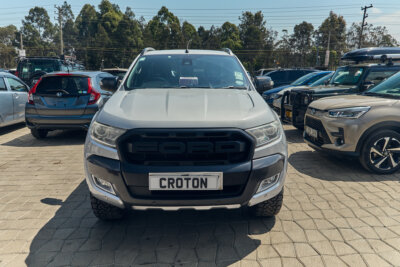
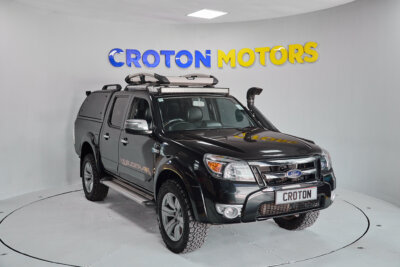
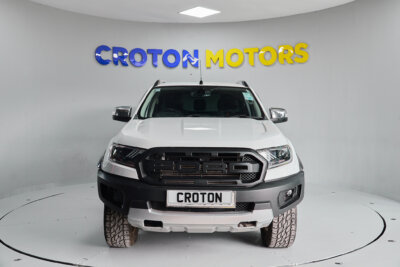
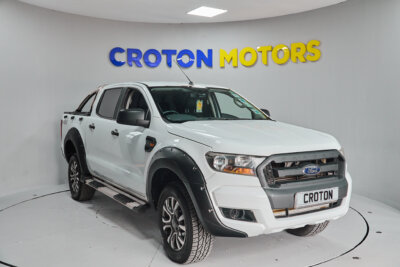
These are the available Ford Ranger vehicles for sale in Nairobi Kenya. They include locally used cars and fresh imports. We can also import one for you with your preferred specifications.
What would you like to do?
Ford Ranger in stock now
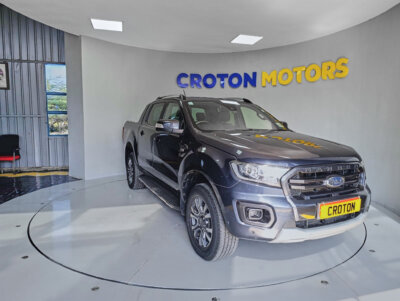


About the Ford Ranger
Walk through any construction site, farm, safari camp, or corporate fleet yard in Kenya and there’s a good chance you’ll spot a Ford Ranger. It has become one of the most recognisable double cab pickups on Kenyan roads, competing directly with long-time favourites like the Toyota Hilux and Isuzu D-Max.
The Ford Ranger’s appeal in Kenya comes down to a simple formula: it looks tough, it works hard, and — in its more recent generations — it drives like a proper modern vehicle rather than a stripped-down workhorse. Whether it’s hauling equipment along Kenyan highways, tackling murram roads in the counties, or serving as a comfortable daily driver in Nairobi traffic, the Ranger is built to straddle both worlds.
This guide covers the Ford Ranger as sold and imported into Kenya — both the older T6-generation Ranger (2012–2022) that dominates the used import market, and the completely redesigned next-generation Ranger (2022 onwards) now arriving as newer stock. We’ll walk through specifications, trim levels, real-world fuel consumption, reliability in Kenyan conditions, maintenance costs, spare parts availability, insurance, and how it stacks up against its closest rivals.
If you’re asking “is the Ford Ranger worth buying in Kenya?”, “how much does a Ford Ranger cost in Kenya?”, or “is the Ford Ranger reliable?” — this article is built to answer those questions directly, with practical, honest guidance rather than marketing spin.
Croton Motors Kenya stocks a range of Ford Ranger units — new and quality pre-owned imports — and this guide reflects what a genuine Kenyan buyer needs to know before making a decision.
Quick Facts: Ford Ranger at a Glance
| Attribute | Details |
|---|---|
| Model | Ford Ranger (Double Cab, Super Cab, Single Cab variants) |
| Manufacturer | Ford Motor Company |
| Vehicle Type | Mid-size pickup truck (double cab 4×4/4×2) |
| Body Generations Common in Kenya | T6 (2012–2022) and Next-Gen Ranger (2022–present) |
| Engine Options | 2.2L 4-cyl diesel, 3.2L 5-cyl diesel, 2.0L single-turbo diesel, 2.0L Bi-Turbo diesel, 3.0L V6 turbo diesel, 3.0L V6 EcoBoost petrol (Raptor) |
| Fuel Type | Diesel (most variants); Petrol (Raptor) |
| Transmission | 6-speed manual, 6-speed automatic, 10-speed automatic (newer models) |
| Drive Type | 4×2 (RWD) and 4×4 with low-range transfer case |
| Seating | 5 seats (double cab); 2–3 seats (single cab) |
| Ground Clearance | Approx. 230–237 mm depending on model year and trim |
| Boot/Load Bed Capacity | Roughly 1.5–1.85 cubic metres load bed volume (double cab) |
| Fuel Economy (Combined, Real-World) | Approx. 8–11 L/100km diesel; 12–14 L/100km petrol Raptor |
| Price in Kenya (Indicative) | Used imports from roughly KSh 2.5M–4.5M; new units significantly higher depending on trim — confirm current pricing with Croton Motors |
| Availability in Kenya | Widely available as new units and grey/used imports (South Africa, Thailand) |
Trim Levels: Which Ford Ranger Should You Buy?
The Ford Ranger is sold globally in several trim levels, and Kenya’s market — being a mix of new dealer stock and used imports from South Africa, Thailand, and the UK — sees a fairly wide spread of these trims. Understanding the differences helps you avoid paying for features you don’t need, or missing out on ones you do.
Ford Ranger Trim Comparison Table
| Trim | Positioning | Key Features | Best For |
|---|---|---|---|
| XL | Entry-level / Work-spec | Steel wheels, manual windows on base spec, basic infotainment, single or double cab, often 4×2 | Fleet buyers, contractors, farms, businesses needing a rugged workhorse |
| XLS | Mid-level | Alloy wheels, upgraded infotainment with touchscreen, remote central locking, improved cloth interior | Small business owners, buyers wanting comfort without going premium |
| XLT | Upper-mid | Larger touchscreen with Apple CarPlay/Android Auto, dual-zone climate control, rear parking sensors, cruise control | Families and professionals wanting a balance of capability and daily comfort |
| Wildtrak | Lifestyle/premium | Leather-accented seats, larger alloy wheels, sports bar, unique styling cues, upgraded suspension tuning, tech package | Buyers who want a pickup that also functions as a lifestyle and family vehicle |
| Platinum / Limited | Top luxury spec | Premium leather, heated/ventilated seats, upgraded sound system, unique exterior trim | Buyers wanting the most car-like, premium pickup experience |
| Raptor | Performance off-road | V6 engine (petrol on newer models), Fox/Baja-tuned suspension, wide-body styling, off-road drive modes, all-terrain tyres | Off-road enthusiasts and buyers prioritising performance over payload |
Our recommendation: For most Kenyan buyers — whether business use, family use, or a mix of both — the XLT trim tends to offer the sweet spot between price and features. If budget allows and you want extra comfort and road presence, the Wildtrak is the most popular premium choice locally. The Raptor is a niche buy — excellent fun and off-road capability, but it sacrifices some payload capacity and costs considerably more to run.
Model History: Ford Ranger Generations Explained
Understanding which generation of Ranger you’re looking at matters enormously for a used-import market like Kenya’s, because specifications, reliability profiles, and parts availability differ significantly between them.
| Generation | Years | Key Changes |
|---|---|---|
| T6 (First Generation, Global) | 2011–2015 | All-new global Ranger platform; replaced the older Mazda-based Ranger; introduced 2.2L and 3.2L TDCi diesel engines |
| T6 Facelift (PX2) | 2015–2018 | Updated front fascia, revised interior tech, added driver-assist features on higher trims |
| T6 Facelift (PX3) | 2018–2022 | Introduced 2.0L Bi-Turbo and Single-Turbo diesel engines, 10-speed automatic transmission, first-generation Raptor (2.0L Bi-Turbo diesel) launched |
| Next-Generation Ranger (T6.2) | 2022–present | Complete redesign on an updated global platform shared with the Everest; new 3.0L V6 diesel option; Raptor switched to a 3.0L EcoBoost V6 petrol engine; significantly upgraded technology, safety systems, and interior quality |
What This Means for Kenyan Buyers
If you’re buying a used import, the vast majority available locally will be from the T6 PX2 or PX3 era (roughly 2016–2022). These are well-proven, mechanically simpler, and generally cheaper to maintain than the newer model.
If you’re buying new or nearly new, you’ll be looking at the next-generation Ranger, which is a significant step up in refinement, technology, and safety — but comes at a higher purchase price and, in the case of the V6 diesel and Raptor petrol variants, higher running costs.
Practical tip: When shopping for a used Ranger in Kenya, always confirm the exact model year and engine code, as the 2.0L Bi-Turbo diesel (introduced 2018) and the older 3.2L 5-cylinder diesel have quite different maintenance needs and parts pricing — details we cover later in this guide.
Exterior Design: Built to Look the Part
The Ford Ranger has always leaned into a rugged, muscular aesthetic, and this has only intensified with each generation.
Front end and lighting: Later T6 models (PX2/PX3) feature a bold trapezoidal grille with C-clamp-style LED daytime running lights on higher trims, while base XL models retain simpler halogen headlamps. The next-generation Ranger goes further with a much wider stance, C-clamp LED headlights as standard on mid-to-upper trims, and a raised bonnet line that echoes the larger Ford Super Duty trucks sold in North America.
Wheel options: XL and XLS trims typically run 16–17-inch steel or basic alloy wheels, XLT and Wildtrak step up to 17–18-inch alloys, and the Raptor wears distinctive 17-inch wheels wrapped in chunky all-terrain tyres (sized to accommodate its wider track and long-travel suspension).
Colours: Common colours available on Kenyan-market Rangers include Arctic White, Meteor Grey, Absolute Black, Race Red, Aluminium Metallic, and — on Wildtrak/Raptor models — distinctive shades like Sedona Orange and Code Orange. White remains the most popular choice locally for its resale value and heat reflection in Kenya’s climate.
Aerodynamics and styling: The Ranger isn’t designed primarily around aerodynamic efficiency (few pickups are), but the next-generation model does include a subtly revised profile, flared wheel arches on Wildtrak/Raptor trims, and an available sports bar over the load bed — all of which add to road presence without meaningfully hurting fuel economy.
Why it matters practically: The Ranger’s tall stance and pronounced wheel arches aren’t just cosmetic — they translate into genuinely useful approach and departure angles for rough Kenyan roads, and the raised bonnet improves forward visibility when navigating potholes or negotiating narrow murram tracks.
Interior: Comfort Meets Practicality
This is where the difference between the older T6 and the next-generation Ranger is most obvious.
Cabin quality: Older T6 Rangers (especially XL/XLS trims) have a fairly utilitarian interior — hard-wearing plastics, simple instrument clusters, and a no-nonsense layout clearly designed with tradespeople in mind. Higher trims like Wildtrak add soft-touch surfaces, leather-accented seats, and a noticeably more upmarket feel.
The next-generation Ranger’s interior is a significant leap forward — a portrait-oriented touchscreen (up to 12 inches on higher trims), a fully digital driver display on Wildtrak and above, and materials that genuinely compete with mid-size SUVs rather than feeling like an afterthought bolted onto a workhorse.
Space and practicality: Double cab models comfortably seat five adults, with rear-seat legroom that’s adequate rather than generous — taller passengers on long trips (say, Nairobi to Mombasa) may find rear space slightly tight compared to a family SUV, but it’s on par with or better than most direct pickup rivals. Front seats offer good adjustability, and door pockets, a central bin, and various cubbies provide decent storage for phones, wallets, and bottles.
Noise insulation: Wind and road noise are well controlled on the next-generation Ranger, especially in Wildtrak and Platinum trims with additional sound deadening. Older models, particularly with the 3.2L 5-cylinder diesel, have a more noticeable diesel clatter at idle and under load — not unpleasant, but distinctly a “truck” sound rather than a refined SUV hum.
Driver ergonomics: Controls are logically arranged, visibility out of the cabin is good thanks to the upright windscreen and large mirrors, and the raised seating position (common to pickups) gives drivers excellent sightlines over Nairobi traffic and rural obstacles alike.
Everyday livability verdict: For a family doing the school run during the week and a farm or upcountry trip at the weekend, the Ranger’s cabin — particularly from XLT trim upward — genuinely works as a comfortable daily driver, not just a work tool. It won’t match a Toyota Fortuner or Prado for outright hush and plushness, but it’s closer than many buyers expect.
Technology: What’s Actually Inside
| Feature | XL/XLS | XLT | Wildtrak/Platinum | Raptor |
|---|---|---|---|---|
| Touchscreen Infotainment | 6.5″–8″ (basic) | 8″–10″ | 10″–12″ | 10″–12″ |
| Apple CarPlay / Android Auto | Available on some spec | Standard | Standard (wireless on newer models) | Standard (wireless) |
| Navigation | Optional | Standard on some markets | Standard | Standard |
| Digital Instrument Cluster | No | Partial digital | Full digital (12.4″) on next-gen | Full digital |
| Wireless Phone Charging | No | No | Yes (higher trims, next-gen) | Yes |
| Dual-Zone Climate Control | No | Yes | Yes | Yes |
| USB Ports | 1–2 | 2 | 2–4 (incl. USB-C) | 2–4 (incl. USB-C) |
| Rear Camera / Parking Sensors | Camera only (some) | Camera + rear sensors | Camera + front & rear sensors | Camera + front & rear sensors |
What this means day-to-day: Even mid-range XLT models now come with Apple CarPlay and Android Auto — a genuinely useful feature for Kenyan drivers who rely on Google Maps for navigating Nairobi’s ever-changing road diversions. The larger portrait touchscreen on the next-generation Ranger (borrowed conceptually from the Ford F-150) is a significant usability upgrade, with crisper graphics and simpler menu structures than the older SYNC 3 system found in T6 models.
Engine Options: Which Ford Ranger Engine Is Best?
The Ranger’s engine lineup has evolved considerably, and choosing the right one matters enormously for Kenyan running costs.
Ford Ranger Engine Specifications
| Engine | Generation | Power | Torque | Fuel Type | Typical Trim | Notes |
|---|---|---|---|---|---|---|
| 2.2L TDCi (4-cyl) | T6 (2012–2019) | ~118–160 hp | ~285–385 Nm | Diesel | XL/XLS/XLT | Simple, robust, cheaper to service |
| 3.2L TDCi (5-cyl) | T6 (2012–2019) | ~197 hp | ~470 Nm | Diesel | XLT/Wildtrak | Strong towing/hauling; thirstier; distinctive 5-cylinder note |
| 2.0L SiT (Single Turbo) | T6 PX3 & Next-Gen | ~168–170 hp | ~405 Nm | Diesel | XL/XLS/XLT | Efficient, simpler turbo system than Bi-Turbo |
| 2.0L Bi-Turbo (Twin Turbo) | T6 PX3 & early Next-Gen | ~210–213 hp | ~500 Nm | Diesel | Wildtrak/older Raptor | Strong performance; more complex turbo system |
| 3.0L V6 Turbo Diesel | Next-Gen (2022+) | ~247 hp | ~600 Nm | Diesel | Wildtrak/Platinum/Stormtrak | Smooth, strong towing, higher fuel use |
| 3.0L EcoBoost V6 (Twin-Turbo Petrol) | Next-Gen Raptor | ~292 hp | ~491 Nm | Petrol | Raptor only | Performance-focused; highest fuel consumption in the range |
Which engine suits which buyer?
- 2.2L 4-cylinder diesel: Best for buyers prioritising low running costs and simplicity — ideal for fleet use, contractors, and first-time pickup owners who mainly need reliable transport rather than outright power.
- 3.2L 5-cylinder diesel: A strong choice for buyers who tow trailers or boats regularly, or who frequently carry heavy loads upcountry, thanks to its generous torque.
- 2.0L Bi-Turbo diesel: The best balance of performance and efficiency for most Wildtrak buyers — noticeably punchier than the older 4-cylinder units while remaining reasonably efficient.
- 3.0L V6 diesel (next-gen): The most refined and capable option for buyers wanting smooth power delivery for highway cruising and towing, at the cost of higher fuel bills.
- 3.0L EcoBoost V6 petrol (Raptor): Only worth considering if performance and off-road capability are the priority over fuel economy and payload — this is a lifestyle/performance choice, not a working truck engine.
Reliability note: The simpler single-turbo diesel engines have historically proven easier and cheaper to maintain in Kenya than the Bi-Turbo units, which rely on more complex sequential turbocharging that a smaller pool of technicians is fully familiar with. This is a genuine practical consideration, not just a specification footnote.
Transmission Options: Manual, Automatic & 10-Speed
| Transmission | Available On | Driving Feel | Reliability & Maintenance |
|---|---|---|---|
| 6-Speed Manual | XL/XLS (mostly 4×2 and work-spec 4×4) | Direct, involving, better fuel economy in careful hands | Simple, cheap to maintain, widely understood by local mechanics |
| 6-Speed Automatic | Older T6, most 2.2L/3.2L variants | Smooth, easy in Nairobi traffic | Well-proven, parts and expertise widely available |
| 10-Speed Automatic | 2.0L Bi-Turbo, 3.0L V6 diesel, Raptor | Very smooth, quick shifts, well-suited to highway cruising | Newer technology — more electronically complex, so diagnostics require dealer-level equipment; fewer independent garages fully versed in it currently |
Practical guidance: For buyers value simplicity and lower long-term maintenance risk, the 6-speed automatic paired with the 2.2L or 3.2L diesel remains a dependable, well-understood combination in Kenya. The 10-speed automatic is excellent to drive — smooth, responsive, and well-suited to both Nairobi stop-start traffic and highway cruising — but as a newer, more complex unit, it’s worth ensuring any used import has full service history before buying.
Driving Experience: What It’s Actually Like to Drive in Kenya
In Nairobi traffic: The Ranger’s raised seating position and good visibility make it genuinely easy to navigate Nairobi’s congested roads, roundabouts, and matatu-heavy junctions. Automatic versions, particularly the 10-speed, are relaxed and undemanding in stop-start conditions. Its size (around 5.3–5.4 metres long) does require a bit more awareness in tight parking situations compared to a sedan or compact SUV, but front and rear sensors plus a reversing camera (standard from XLT upward) make parking manageable even for first-time truck owners.
On the highway (Nairobi–Nakuru, Nairobi–Mombasa): This is where the Ranger genuinely shines. It sits comfortably at 100–120 km/h, with strong mid-range torque making overtaking on two-lane highways confident and safe — an important consideration on routes like Nairobi–Nakuru where overtaking slower trucks is a daily reality. The V6 diesel and Bi-Turbo engines in particular pull strongly for overtaking without needing aggressive downshifts.
On gravel and murram roads: With ground clearance in the 230mm+ range and a proper 4×4 low-range transfer case (on 4×4 variants), the Ranger handles rural Kenyan roads — including rutted murram tracks common in counties like Kajiado, Narok, or parts of the Rift Valley — with genuine confidence. This is a major practical advantage over car-based crossovers that simply cannot cope with the same terrain.
Off-road: 4×4 Ranger models, especially the Wildtrak and Raptor, offer selectable drive modes (normal, mud/ruts, sand, rock in various trims) and a locking rear differential on higher specs — genuinely capable off the beaten track, well beyond what most Kenyan buyers will ever need, but reassuring for safari operators, NGOs working in remote areas, and rural business owners.
Ride quality and comfort: Being a leaf-sprung (rear) pickup, the Ranger’s ride is firmer than a coil-sprung SUV, especially unladen. It smooths out considerably once there’s a load in the bed. The next-generation Ranger’s revised suspension tuning (especially on Wildtrak) has narrowed this gap noticeably compared to older T6 models, delivering a more settled ride over Kenyan road imperfections.
Noise, braking, and confidence: Cabin noise is well controlled at cruising speed on later models. Braking is confident and progressive, with disc brakes at all four corners on most trims (drum rear brakes remain on some base work-spec models). Overall, the Ranger inspires genuine confidence during overtaking manoeuvres — a critical safety factor on Kenya’s highways.
Bottom line for daily use: If your week involves a mix of Nairobi commuting, the occasional upcountry trip, and hauling equipment or luggage, the Ranger handles all three roles credibly — few vehicles at this price point do all three as well.
Fuel Economy: Real-World Ford Ranger Fuel Consumption in Kenya
Manufacturer fuel consumption figures are tested under controlled laboratory conditions and rarely reflect Kenyan reality — heavier traffic, hillier terrain, higher-altitude driving (Nairobi sits at roughly 1,795m above sea level), and varying fuel quality all affect real-world numbers. Below are realistic, owner-reported ranges rather than brochure claims.
| Engine | Manufacturer Combined Figure (approx.) | Realistic Kenyan Combined Consumption |
|---|---|---|
| 2.2L 4-cyl Diesel | ~7.0–7.5 L/100km | ~8–9 L/100km |
| 3.2L 5-cyl Diesel | ~8.5–9.0 L/100km | ~9.5–11 L/100km |
| 2.0L SiT Diesel | ~7.0 L/100km | ~7.5–8.5 L/100km |
| 2.0L Bi-Turbo Diesel | ~7.4 L/100km | ~8–9.5 L/100km |
| 3.0L V6 Diesel | ~8.4 L/100km | ~9–11 L/100km |
| 3.0L EcoBoost V6 Petrol (Raptor) | ~11–12 L/100km | ~12–14.5 L/100km |
City driving (Nairobi): Expect consumption at the higher end of these ranges due to stop-start traffic, air conditioning use, and idling in jams.
Highway driving (Nairobi–Nakuru, Nairobi–Mombasa): Diesel Rangers typically achieve their best efficiency here, often coming close to the lower end of the ranges above when driven at steady speeds.
Fuel-saving tips for Kenyan Ranger owners:
- Maintain correct tyre pressure — under-inflated tyres on a heavy pickup noticeably increase consumption.
- Avoid unnecessary idling in traffic where possible; the stop-start systems fitted to some newer models help here automatically.
- Keep the load bed clear of unnecessary weight when not working — every extra 100kg carried permanently affects economy.
- Service turbo and air filters on schedule; a clogged air filter or failing turbo can quietly increase fuel consumption before other symptoms appear.
- Diesel variants strongly reward smooth, steady-throttle driving over aggressive acceleration.
Safety: How Protected Are You in a Ford Ranger?
| Safety Feature | T6 (2012–2022) | Next-Gen Ranger (2022+) |
|---|---|---|
| Airbags | 2–6 depending on trim | Up to 8 (front, side, curtain, driver knee) on higher trims |
| ABS + EBD | Standard | Standard |
| Electronic Stability Control | Standard from mid-trim upward | Standard across the range |
| Reversing Camera | Optional/higher trims | Standard from XLT upward |
| Blind Spot Monitoring | Not available on most units | Available on Wildtrak/Platinum and above |
| Adaptive Cruise Control | Not available | Available on higher trims |
| Lane Keeping Assist | Not available | Available on higher trims |
| Independent Crash Test Rating | 5-star ANCAP (2015 T6 testing) | 5-star ANCAP (2022 testing) |
What this means practically: The safety gap between the older and newer Ranger is substantial. If active safety features like adaptive cruise control, lane-keeping assistance, and blind spot monitoring matter to you — genuinely useful on long, fatiguing drives like Nairobi–Mombasa — you’ll need to look at the next-generation model or late-model T6 Wildtrak/Platinum units. Base-spec used imports, particularly older XL/XLS trims, will have fewer of these systems and rely more on the driver’s own vigilance.
Reliability: Is the Ford Ranger Reliable in Kenya?
Known strengths:
- The engine blocks themselves — particularly the 2.2L and 3.2L Duratorq diesel units — have a strong reputation for durability when serviced on schedule, with many Kenyan examples comfortably exceeding 250,000–300,000 km.
- Suspension and chassis components are robust, designed from the outset for harsh, unpaved conditions similar to many Kenyan roads.
- Body and paint quality generally hold up well to Kenya’s climate, provided regular washing removes dust and mud buildup that can otherwise trap moisture against the underbody.
Known weaknesses:
- Turbocharger and DPF (Diesel Particulate Filter) related issues have been reported on some Bi-Turbo and later emissions-compliant diesel units, often linked to poor fuel quality or short-trip driving that doesn’t let the DPF regenerate properly — a genuine consideration given Nairobi’s frequent short, congested commutes.
- Some owners of early Bi-Turbo units have reported turbo actuator and sensor faults requiring diagnostic equipment not every backstreet garage carries.
- Infotainment glitches (freezing screens, connectivity drops) have been reported on some SYNC 3-equipped units, generally resolved with a software update.
Long-term ownership in Kenya: Overall, the Ranger has built a solid reputation locally as a genuinely durable, hard-working vehicle, provided it receives regular servicing and isn’t neglected. Simpler engine variants (2.2L, 3.2L, 2.0L single-turbo) tend to have fewer reported long-term issues than the more electronically complex Bi-Turbo and V6 units, which is worth weighing against their extra performance.
Mileage expectations: With disciplined maintenance, it’s realistic to expect a well-cared-for diesel Ranger to comfortably reach 300,000 km or more before requiring major engine work — broadly in line with expectations for the Toyota Hilux and Isuzu D-Max.
Common Ford Ranger Problems: What to Watch For
| Issue | Symptoms | Likely Cause | Typical Repair Cost (Indicative) | Severity |
|---|---|---|---|---|
| DPF Clogging | Loss of power, warning light, rough idle | Frequent short trips preventing regeneration | KSh 15,000–60,000 depending on cleaning vs. replacement | Moderate–High |
| Turbo Actuator/Sensor Faults | Power loss, whining noise, warning lights | Wear on Bi-Turbo sequential system | KSh 40,000–150,000+ | Moderate–High |
| Timing Chain Rattle (some 2.2L units) | Rattling noise on cold start | Chain tensioner wear over high mileage | KSh 20,000–70,000 | Moderate |
| EGR Valve Issues | Rough idle, reduced performance | Carbon buildup, common on diesels generally | KSh 10,000–35,000 | Low–Moderate |
| Infotainment Freezing (SYNC 3) | Screen unresponsive, Bluetooth drops | Software glitch | Usually free/low-cost software update | Low |
| Rear Leaf Spring Wear (heavy use units) | Sagging rear ride height, clunking over bumps | Heavy or overloaded use over time | KSh 15,000–40,000 per side | Low–Moderate |
How to prevent these issues:
- Stick to manufacturer-recommended service intervals — don’t stretch oil change intervals to save money short-term.
- Where possible, take the vehicle for a longer highway drive periodically if it’s mostly used for short city trips, to allow the DPF to regenerate fully.
- Use reputable fuel stations, as fuel quality inconsistency is a genuine factor in DPF and injector-related issues in the Kenyan market.
- Have turbo-related warning lights diagnosed promptly rather than ignored — small issues caught early are considerably cheaper to fix.
Maintenance Costs: What to Budget For in Kenya
| Service Item | Recommended Interval | Estimated Kenyan Cost (Indicative) |
|---|---|---|
| Engine Oil & Filter Change | Every 10,000–15,000 km | KSh 8,000–15,000 (diesel oil + filter) |
| Air Filter Replacement | Every 20,000–30,000 km | KSh 2,500–6,000 |
| Fuel Filter Replacement | Every 20,000–40,000 km | KSh 4,000–10,000 |
| Brake Pads (Front) | Every 30,000–50,000 km | KSh 8,000–20,000 (parts + labour) |
| Brake Discs | Every 60,000–100,000 km | KSh 15,000–35,000 per axle |
| Tyres (Set of 4) | Every 40,000–60,000 km depending on use | KSh 60,000–140,000+ depending on size/brand |
| Battery Replacement | Every 3–5 years | KSh 12,000–25,000 |
| Timing Belt/Chain Service | Model dependent, often 100,000+ km | KSh 25,000–70,000 |
| Transmission Fluid Service | Every 60,000–100,000 km | KSh 10,000–25,000 |
| Suspension/Shock Absorbers | As needed, typically 80,000km+ | KSh 20,000–60,000 per axle |
General guidance: Budget for a full service roughly every 10,000–15,000 km, with major services (including filters, fluids, and inspections) costing more than a basic oil change. Owners running the vehicle predominantly for business or fleet use should factor in slightly more frequent servicing given higher annual mileage.
Cost comparison note: Overall, Ranger maintenance costs are broadly comparable to the Toyota Hilux and Isuzu D-Max for the simpler 4-cylinder diesel variants, but tend to run somewhat higher for the Bi-Turbo and V6 diesel engines, which have more complex components and, in some cases, require dealer-level diagnostic tools for certain repairs.
Spare Parts Availability in Kenya
Ford has a well-established parts and service network in Kenya, supported by both genuine dealer parts and a healthy aftermarket supply chain, particularly for the popular 2.2L and 3.2L diesel engines which have been in the market for over a decade.
| Part Category | Availability in Kenya |
|---|---|
| Genuine OEM Parts (engine, filters, brakes) | Good — available through authorised dealers and larger parts importers |
| Aftermarket/Generic Parts | Widely available, particularly for common service items (filters, pads, belts) |
| Body Panels & Trim | Generally available for T6 generation; newer Next-Gen panels may require longer lead times or import |
| Turbo Components (Bi-Turbo/V6) | Available but often requires ordering, particularly for actuators and sensors |
| Electronic/Infotainment Components | Available through dealer network; independent garages more limited for diagnostics |
| Interior Trim & Upholstery | Generally accessible for common trims; premium/leather trims may need special order |
Practical takeaway: For the widely-sold T6 generation (2012–2022), spare parts availability in Kenya is genuinely good — a major advantage over some rarer pickup imports. For the newer next-generation Ranger, particularly the V6 diesel and Raptor petrol models, some specialised parts may currently require a slightly longer lead time as the local parts network catches up with the newer platform. This is worth discussing directly with your dealer before purchase, especially for less common trims.
Insurance Costs in Kenya
Insurance premiums for the Ford Ranger in Kenya are influenced by several factors rather than a single fixed rate:
- Vehicle value: Higher-spec Wildtrak, Platinum, and Raptor models command higher comprehensive premiums simply due to their higher insured value.
- Engine size and type: Larger displacement and turbo-petrol engines (like the Raptor’s V6) can attract slightly higher premiums with some insurers due to perceived repair costs and performance risk profiles.
- Usage classification: Private use versus commercial/business use significantly affects premiums — a Ranger registered for commercial haulage will generally cost more to insure than one used privately.
- Driver history and no-claims record: As with any vehicle in Kenya, a clean claims history substantially reduces premiums over time.
- Comprehensive vs. Third-Party: Comprehensive cover (recommended given the vehicle’s value and the cost of potential repairs) typically runs in the range of roughly 4–7% of insured vehicle value annually in the Kenyan market, though this varies by insurer and risk assessment.
Practical guidance: Given the Ranger’s popularity, most major Kenyan insurers are familiar with underwriting it, and it’s generally not considered a high-risk vehicle to insure compared to some performance-oriented imports. Always request quotes from at least two or three insurers, as premiums can vary meaningfully for the same vehicle and cover level.
Why Buy a Ford Ranger? Practical Reasons
- It genuinely does double duty — capable enough for business, farm, or fleet work during the week, comfortable enough for family use over the weekend, particularly from XLT trim upward.
- Strong resale value — the Ranger holds its value reasonably well in the Kenyan used market, partly due to sustained demand and its reputation for durability.
- Excellent ground clearance and 4×4 capability — a genuine practical advantage for buyers in counties with poor road infrastructure, or anyone regularly navigating construction sites, farms, or rural areas.
- Wide trim and engine choice — from a no-frills work truck to a near-luxury lifestyle vehicle, the Ranger range covers a broad spectrum of buyer needs and budgets.
- Established local support network — a decade-plus of Ranger sales in Kenya means a healthy population of experienced mechanics, reasonable parts availability, and an active community of owners to draw on for advice.
- Confidence on long-distance routes — strong overtaking performance and stable highway manners make it a genuinely reassuring choice for regular Nairobi–Mombasa or Nairobi–Nakuru travel.
Who it particularly suits: Business owners needing a dependable workhorse, families wanting one vehicle that can comfortably handle both city and rural life, NGOs and organisations operating in remote counties, and buyers who simply want more road presence and capability than a standard SUV offers.
Who might look elsewhere: Buyers who exclusively need a smooth, car-like ride with no compromise on unladen comfort might prefer a mid-size SUV. Buyers prioritising the absolute lowest running costs might find a well-specced Hilux or D-Max slightly cheaper to maintain, particularly on the more complex engine variants.
Ford Ranger vs. Competitors: How Does It Compare?
Ford Ranger vs. Toyota Hilux vs. Isuzu D-Max vs. Mitsubishi L200/Triton
| Feature | Ford Ranger | Toyota Hilux | Isuzu D-Max | Mitsubishi L200/Triton |
|---|---|---|---|---|
| Reputation in Kenya | Strong, capable, modern tech | Extremely strong; benchmark for reliability | Very strong, popular with fleets | Solid, less common than Hilux/Ranger |
| Interior Tech | Best-in-class on next-gen model | Good, improving with newer models | Decent, simpler than Ranger | Good, competitive infotainment |
| Towing Capacity | Up to ~3,500 kg (V6 diesel) | Up to ~3,500 kg | Up to ~3,500 kg | Up to ~3,100 kg |
| Fuel Economy | Good on 4-cyl diesels; higher on V6/Raptor | Very good, well-proven efficiency | Very good | Good |
| Resale Value | Strong | Excellent — generally the benchmark | Strong | Moderate |
| Parts Availability in Kenya | Very good (T6); improving (Next-Gen) | Excellent — the most widely supported | Very good | Good |
| Driving Refinement | Excellent, especially next-gen | Good, slightly more utilitarian feel | Good | Good |
| Best For | Buyers wanting the most tech and driving refinement | Buyers prioritising maximum resale value and bulletproof reliability reputation | Buyers wanting Isuzu’s rugged, straightforward engineering | Buyers wanting a slightly smaller, easier-to-park alternative |
Ford Ranger vs. Toyota Hilux — the honest answer: The Hilux remains Kenya’s default choice for a reason — an unmatched reputation for reliability and the deepest parts/service network in the country. The Ranger, however, generally offers more interior technology, a more car-like driving experience, and — on the next-generation model — a genuine refinement advantage. If ultimate resale value and the widest possible service network are your top priority, the Hilux edges ahead. If you want a more modern, comfortable, feature-rich pickup and are comfortable with Ford’s local support network, the Ranger is a strong, credible alternative.
Ford Ranger vs. Isuzu D-Max: Very similar positioning — both are dependable, business-friendly trucks. The Ranger tends to feel more modern and tech-forward inside, while the D-Max often has a slight edge on outright running-cost simplicity, particularly for fleet operators managing large numbers of vehicles.
Pros and Cons of the Ford Ranger
| Pros | Cons |
|---|---|
| Strong on-road and highway driving manners | Bi-Turbo/V6 engines and 10-speed automatic are more complex and costly to repair |
| Excellent 4×4 and ground clearance for Kenyan roads | Raptor’s fuel consumption is high for a “workhorse” segment vehicle |
| Wide trim range from basic work-spec to near-luxury | Rear seat space is adequate rather than generous for tall adults |
| Best-in-class infotainment and tech on next-gen model | Next-gen spare parts network still maturing compared to older T6 |
| Good resale value, though slightly behind Hilux | Unladen ride can feel firm, especially on base-spec leaf-sprung rear |
| Strong towing and payload capability | DPF-related issues possible with frequent short-trip city driving |
| Established Kenyan mechanic familiarity for older engines | Some turbo/electronic diagnostics need dealer-level equipment |
Frequently Asked Questions About the Ford Ranger in Kenya
Is the Ford Ranger reliable in Kenya? Yes, generally. The Ranger has built a solid reputation for durability in Kenya, particularly with the simpler 2.2L and 3.2L diesel engines, which routinely exceed 250,000–300,000 km with disciplined servicing. The more complex Bi-Turbo and V6 diesel variants are also reliable but carry a somewhat higher risk of turbo and DPF-related issues if maintenance is neglected.
Is the Ford Ranger fuel efficient? The 2.0L single-turbo and 2.2L diesel engines are genuinely fuel efficient for a pickup of this size, typically returning 7.5–9 L/100km in real-world Kenyan driving. The 3.2L and 3.0L V6 diesels use noticeably more fuel, and the Raptor’s petrol V6 is the least efficient variant in the range by a clear margin.
Can the Ford Ranger handle Kenyan roads? Yes — with ground clearance typically above 230mm and available 4×4 with low-range gearing, the Ranger is well suited to Kenya’s mix of tarmac, murram, and rough rural roads, comfortably outperforming most car-based SUVs off the tarmac.
Is the Ford Ranger expensive to maintain? Maintenance costs are broadly comparable to the Toyota Hilux and Isuzu D-Max for the simpler diesel engines, but run somewhat higher for the Bi-Turbo, V6 diesel, and Raptor petrol variants due to more complex components and, in some cases, dealer-level diagnostic requirements.
How much is insurance for a Ford Ranger in Kenya? Comprehensive premiums typically range from roughly 4–7% of the insured vehicle value annually, varying by insurer, trim, usage classification (private vs. commercial), and driver history. Higher-spec Wildtrak, Platinum, and Raptor models attract higher premiums due to their greater insured value.
Can the Ford Ranger tow a trailer or boat? Yes. Braked towing capacity reaches up to approximately 3,500 kg on the V6 diesel and Bi-Turbo variants, making it a genuinely capable tow vehicle for boats, horse trailers, or business equipment.
Does the Ford Ranger have Apple CarPlay and Android Auto? Yes, standard from XLT trim upward on both the T6 and next-generation Ranger, with wireless connectivity available on higher trims of the newer model.
How many airbags does the Ford Ranger have? This varies by trim and generation — from as few as 2 on the most basic older work-spec models, up to 8 airbags (including driver’s knee airbag) on higher trims of the next-generation Ranger.
Which Ford Ranger engine is best for Kenya? For most buyers prioritising low running costs and simplicity, the 2.2L 4-cylinder or 2.0L single-turbo diesel is the most sensible choice. For buyers who tow or carry heavy loads regularly, the 3.2L or 3.0L V6 diesel offers stronger torque, at the cost of higher fuel consumption.
Which model year of Ford Ranger should I buy? For used imports, later T6 PX3 models (2018–2022) offer the best balance of proven reliability and reasonably modern features. If budget allows and you want the latest safety and technology systems, the next-generation Ranger (2022 onwards) is a meaningful upgrade, though it comes at a higher purchase price and, for some variants, higher running costs.
Should You Buy a Ford Ranger in Kenya?
If you’re weighing whether to search for a “Ford Ranger for sale in Kenya”, cross-shopping the Ford Ranger price in Kenya against rivals, or trying to nail down realistic Ford Ranger fuel consumption and Ford Ranger maintenance cost figures before committing — here’s the honest, balanced summary.
The Ford Ranger earns its place as one of Kenya’s most credible double cab pickups. It combines genuine off-road and load-carrying capability with — particularly on later models — a level of comfort, technology, and driving refinement that narrows the gap with mid-size SUVs. For business owners, families needing one vehicle to do multiple jobs, and buyers operating in counties with challenging road conditions, it’s a thoroughly sensible choice.
It isn’t the automatic default the way the Toyota Hilux still is for many Kenyan buyers, and the more complex Bi-Turbo, V6, and Raptor variants demand a slightly more disciplined approach to maintenance and a dealer or specialist who genuinely understands the platform. But for buyers who value a more modern cabin, stronger infotainment, and confident highway manners — and who are comfortable working with Ford’s established Kenyan service network — the Ranger is very hard to fault.
Best buyer profile: A business owner, farmer, NGO fleet manager, or family that needs one vehicle capable of comfortable daily commuting, confident long-distance highway travel, and genuine rough-road capability, without stepping up to a full luxury SUV budget.
Recommendation: For most Kenyan buyers, an XLT or Wildtrak trim with either the 2.0L single-turbo, 2.2L, or 3.2L diesel engine represents the strongest all-round value — capable, comfortable, and realistic to maintain long-term. Buyers specifically drawn to maximum performance and off-road prowess should budget accordingly for the Raptor’s higher running costs.
Speak to the team at Croton Motors Kenya to view current Ford Ranger stock, confirm up-to-date pricing, and get guidance matched to your specific budget and intended use.
Are you looking at buying new or used Ford Ranger in Kenya? Are you looking at selling your used Ford Ranger in Kenya? Do you want to know the prices of new or used Ford Ranger in Kenya? Do you want to know how to import Ford Ranger from Japan? Please visit our show room in Karen, Nairobi and our sales agents will guide you.
Below is a list of Ford Ranger for sale in Nairobi, Kenya and also others available in Japan. You can now buy and import year 2026, 2025, 2024, 2023, 2022, 2021, 2020, and 2019 Ford Ranger from Japan to Kenya.